





How a Casino SEO Strategy Builds Organic Traffic and AI Visibility
A casino operator adds games from a new provider. Players can open them in the lobby. Yet some game tiles...
Read MoreTransform every betting experience with fast and structured sports data. The sports stats API connects live scores and historical records through one flexible hub. iGamingtech builds a reliable data layer for match centers and player profiles. It can also manage league tables and betting interfaces. The system controls feed validation and data mapping. It also manages update flows across web and mobile platforms. Operators can connect the solution with an existing sportsbook or use it within a new betting platform.
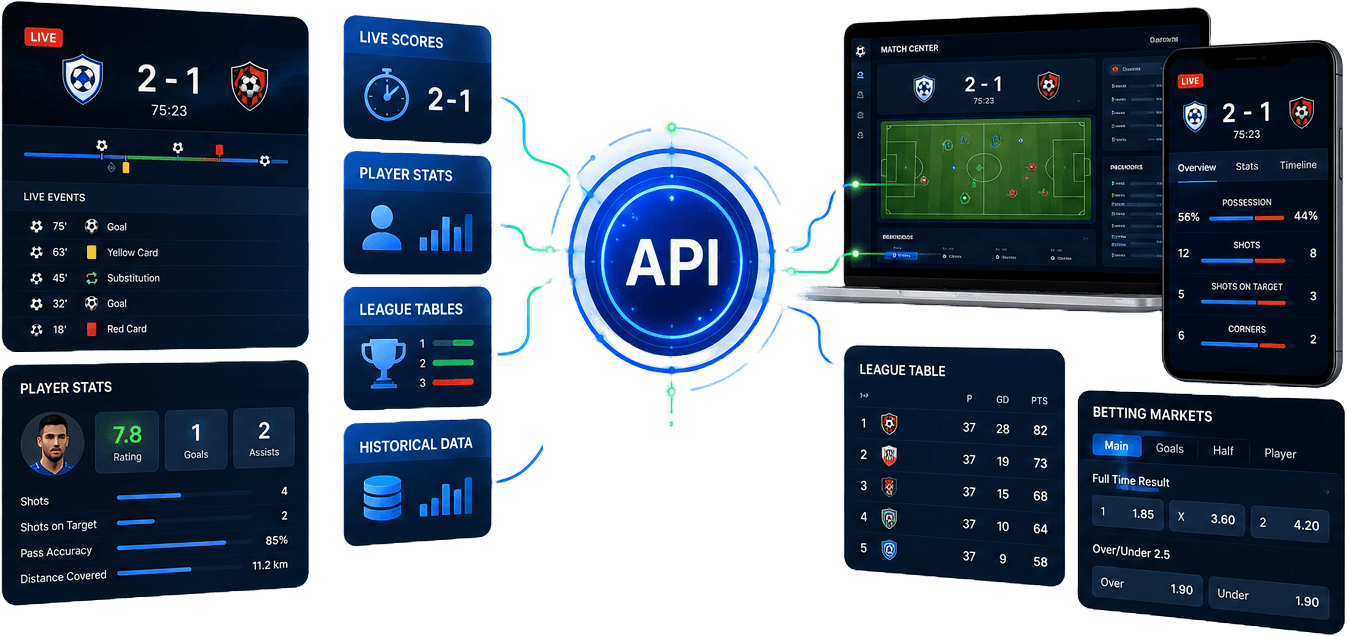



The Sports Statistics Hub brings live and historical sports information into one connected system. It can link with an existing sportsbook or support a new platform. Operators can control how data appears across match centers and player views. The setup can also align provider selection with feed planning and product goals.
Access live match updates and past records through one structured data system.
Connect the sports stats API solution with an existing sportsbook or include it within a new betting platform.
Display scores and fixtures through branded match centers and player focused interfaces.
Select suitable data sources and plan update flows around the needs of the product.
iGamingtech builds structured sports data systems around real platform needs. The solution brings live information and historical records into one connected environment. Operators can manage how data moves through the backend and appears across player facing screens. The setup can also support different providers and delivery methods as the sportsbook expands.
An API connects the data provider with the sportsbook platform. The sports stats API receives live scores and fixtures through a structured feed. It can also collect player records and league standings. The system checks each record before sending it to the right platform area. Scores can appear inside match centers. Player data can appear on profile pages. Fixtures and results can update through the same connected setup.
A sports statistics API can also organize data from different providers into one consistent format. This process keeps team names and event records aligned across the platform. It also reduces duplicate entries and display errors. Operators can control which sports and leagues appear on each screen. They can also shape how the data looks across web and mobile products. The hub creates a clear path between the provider and the player interface.
A dedicated system gives operators one reliable source for match information. A sports betting data API can organize live updates and historical records across the platform. This creates a clearer player journey and gives internal teams better control over sports data.
Players can review live scores and recent form before they enter a market. Clear records can also strengthen sports analytics software used for match research and performance comparisons.
Operators can show the same verified records across web and mobile products. This creates a cleaner journey and reduces confusion when users switch between screens or devices during play.
The system can refresh fixtures and results without constant manual work. Internal teams spend less time correcting records and more time managing the overall betting product each day.
Operators can add new sports and leagues through one structured setup. The same framework can support future data sources without forcing major platform changes as demand grows over time.
Live updates can keep match centers aligned with active events. Players receive timely scores and status changes that support a more informed live betting experience at every stage.
A structured feed gives teams one place to manage data rules and display settings. Operators can decide which records appear and how each screen should present them to players clearly.
Give players clearer sports information across every stage of the betting journey. iGamingtech can build a structured data hub around the platform and provider needs.
iGamingtech combines sportsbook knowledge with structured data planning. The team focuses on platform fit and provider flexibility. It also considers data quality and product needs.

The team shapes each data setup around the sportsbook model and target markets. It also reviews sports coverage and provider limits before the integration plan moves into active development.

The platform can connect with each selected sports API provider without forcing operators into setup. This gives operators freedom to change providers or expand coverage as their business needs grow.

The integration organizes event and player records through clear validation rules. It also keeps data formats consistent across backend systems and player facing interfaces during daily operations.

Operators can shape how scores and statistics appear across match centers and user screens. The team aligns each view with the platform structure and the intended brand experience across devices.

The setup can include feed checks and retry logic for smoother data delivery. It can also manage cached records when a provider response slows or becomes unavailable during major live events.

The team can review endpoint changes and provider updates after launch. It can also resolve feed issues and adjust the integration as platform requirements change across future product releases.
The hub brings essential data controls into one connected environment. Each feature gives operators more control over coverage and presentation. It also keeps the platform ready for future growth.
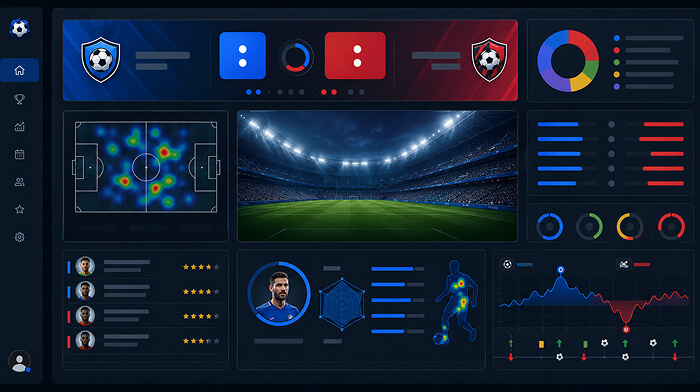

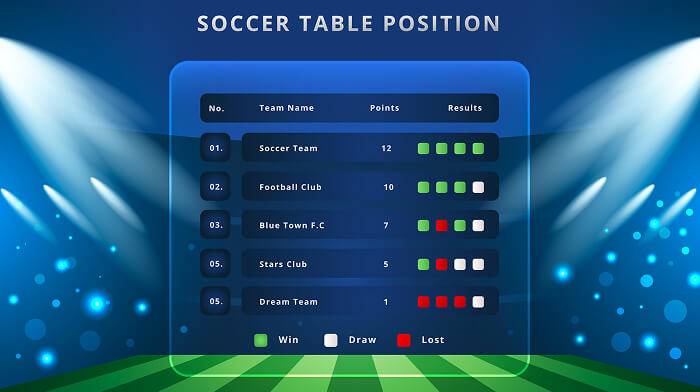

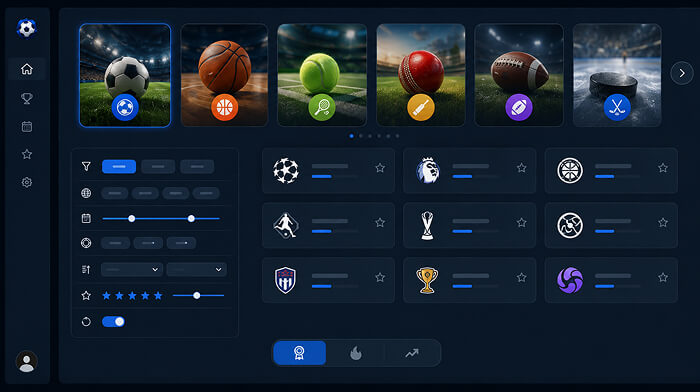


Sports statistics and betting odds support different parts of the sportsbook journey. A sports data API delivers match details and performance records. A sports odds API delivers prices and betting markets. Operators often use both systems together. Each feed still needs its own integration rules and update logic.
Primary Use Case
Main Purpose
Time To Launch
Common Data
Branding Flexibility
Platform Use
Integration Work
User Goal
Ownership Model
Update Pattern
Primary Use Case
Gives users match context and performance insights
Time To Launch
Scores, fixtures, results, standings, and player records
Branding Flexibility
Appears in match centers and research pages
Integration Work
Helps users understand teams, players, and match activity
Ownership Model
Changes with match events and verified records
Primary Use Case
Gives users prices and available betting markets
Time To Launch
Pre match odds, live odds, market lines, and price changes
Branding Flexibility
Appears in betting markets and bet slips
Integration Work
Helps users compare markets before placing a wager
Ownership Model
Changes with market movement and trading decisions
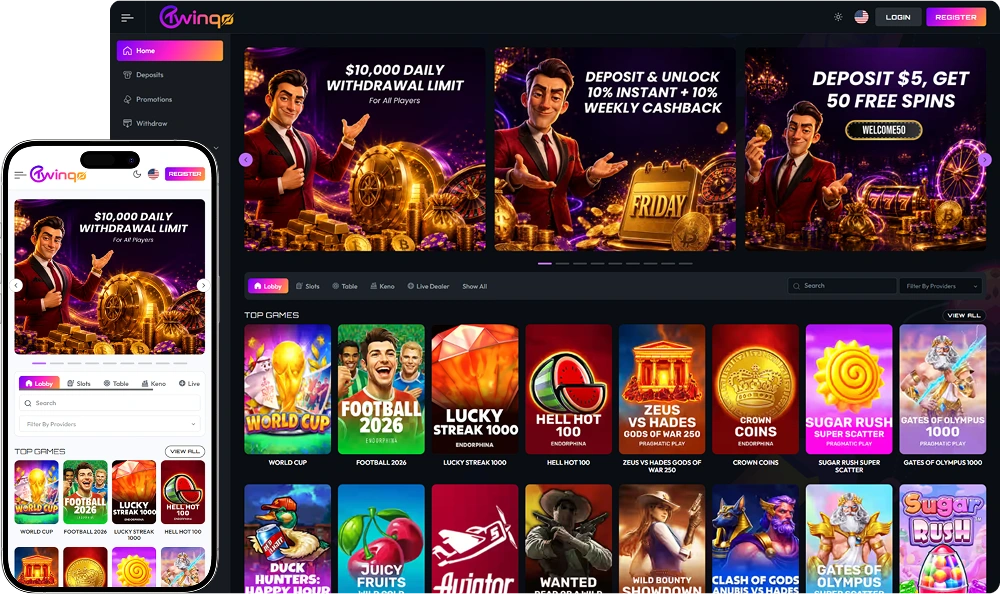
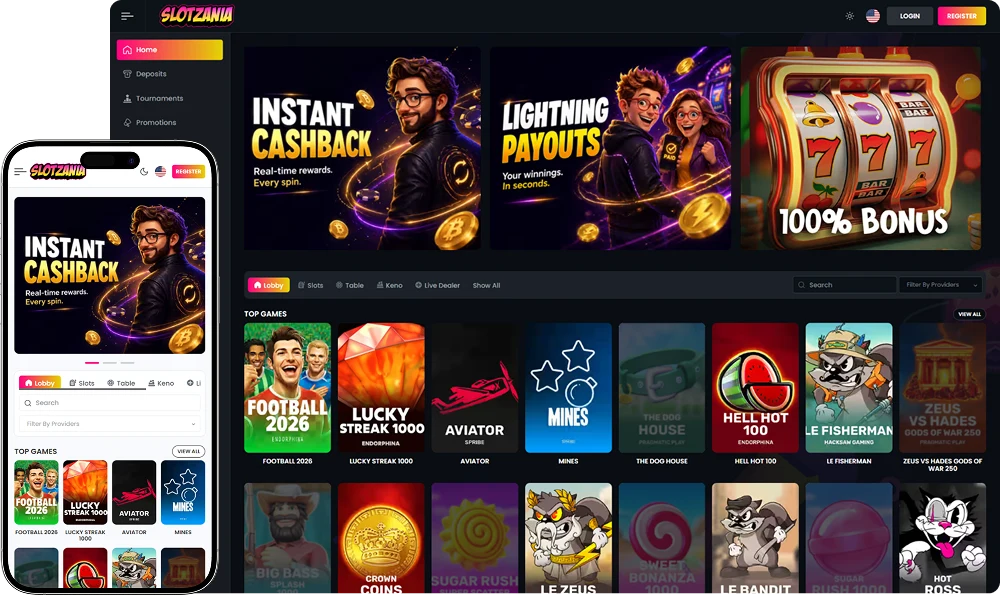
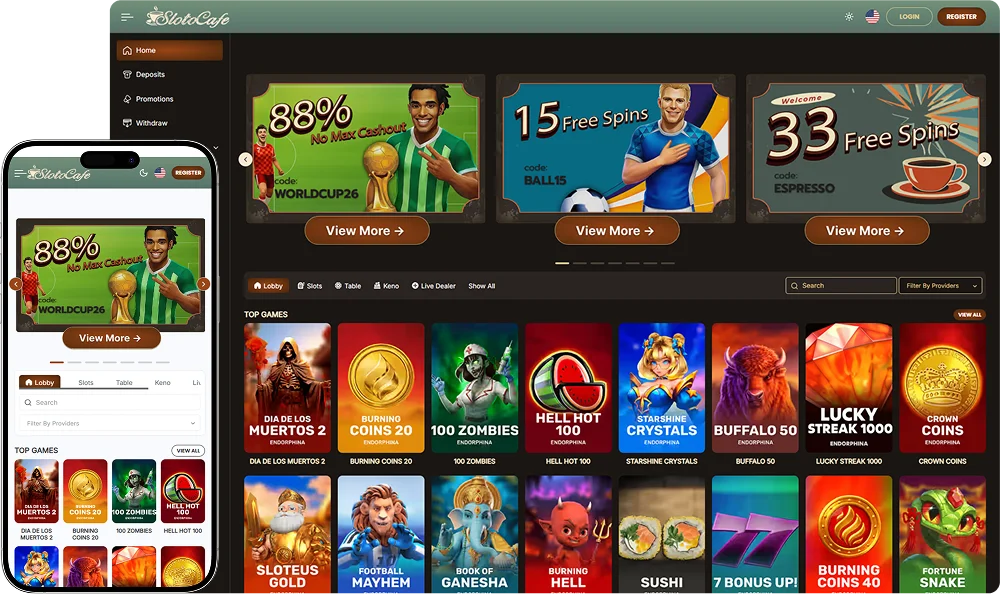
iGamingtech delivers complete sports data integration services for new and existing betting platforms. Each service keeps the sports statistics software aligned with provider rules and operational goals.
The team connects selected data providers through secure endpoints. Each setup follows provider rules and platform needs while preparing the sportsbook for wider sports and league coverage plans.
The backend receives records through the sportsbook data API and prepares them for stable use across the platform. It keeps records organized and ready for stable use across the platform with control.
The service converts provider records into one consistent format. It aligns team names and event identifiers so every screen uses clear and accurate sports information across the full platform.
The team connects several sports data sources through one integration layer. Operators gain wider coverage and more control without rebuilding the full sportsbook platform from the ground up.
Existing match records and player data move into the new hub through a structured process. The team checks formats and identifiers before the information reaches the live sportsbook platform.
Custom widgets present scores and player records through clear layouts. The team adapts each view for web and mobile screens while keeping the player journey simple and easy to follow daily.
Admin dashboards give operators control over sports and leagues and data views. Teams can review feed status and manage display settings through one clear interface for daily platform operations.
Monitoring tools track each sports data feed API for delayed responses and failed updates across active events. The setup flags errors and gives technical teams a view of data delivery health each day.
The team tests endpoints, live updates, and historical records before launch. Each stage checks data accuracy and platform behavior across supported devices and player screens before release.
Post launch support covers endpoint changes, provider updates, and feed issues. The team keeps the integration aligned with new platform needs and future sportsbook requirements over time.
The sports data API can fit different sportsbook structures and delivery goals. Each sports data integration model keeps the setup aligned with the product and provider requirements.
The hub can connect with a wider sports betting software development project when operators need betting markets and player account tools.
The team builds a data layer into a new betting platform so live records and historical insights guide product decisions from launch onward.
Operators can launch a separate hub that presents scores and records through one focused interface while the main sportsbook remains intact.
Custom widgets place fixtures and player data inside selected pages so each screen matches the brand and supports a smoother player journey.
The setup connects several providers through one layer so operators can expand coverage and manage feed changes without service disruptions.
The hub combines backend feeds with prebuilt widgets so operators launch faster while keeping control over data display and future updates.
iGamingtech follows a clear process for sportsbook data connection. Each stage keeps the sports statistics API aligned with provider rules and sportsbook requirements.
The team reviews target sports and leagues with platform goals. It also defines required data types, user views, and expected update needs before planning begins.
The team checks provider rights documentation and data formats. It also reviews rate limits, support quality, and coverage before choosing a suitable feed safely.
The team plans storage, caching, and frontend delivery for each selected feed. It also defines error handling and data flow across the complete sportsbook system.
The team builds secure authentication. The sports betting app security checklist helps businesses get a heads-up before connecting external end points with a live sportsbook.
Operators can hire sports betting software developers for feed integration and dashboard development when their internal team needs added delivery support for release.
Behind every high-performing iGaming platform is a technology stack engineered for speed, security, scalability, and seamless integration. At iGamingTech, we combine modern frontend and backend frameworks, powerful databases, cloud infrastructure, APIs, and DevOps technologies to build platforms that stay reliable under real-time gaming and high-traffic demands.
 ReactJS
 NextJS
 VueJS
 NuxtJS
 Node.js
 NestJS
 Laravel
 Python
 Adyen
 Crypto Wallet APIs
 Skrill
 MongoDB
 PostgreSQL
 ClickHouse
 Mysql
 Sportradar
 Evolution
 Pragmatic Play
 Genius Sports
 Ezugi
 Betfair Exchange API
 AWS
 GitHub Actions
 Cloudflare
 Kubernetes
 Terraform
 Microsoft Azure
 Docker
The live sports data API can organize active match information, while the hub stores historical records through one connected system. Operators can choose which records appear across match centers, player pages, and research tools.

The live scores API delivers current scores and match status updates during active events. Players can follow each game through clear data that refreshes across sportsbook screens in real time.

The sports fixtures API displays upcoming matches and tournament schedules in one structured view. Operators can organize events by sport and league and planned start time across the platform.

The sports results API records completed matches and corrected outcomes. The platform updates final scores and result status without forcing teams to edit every record manually after events.

The player statistics API presents appearances, goals, and other performance records. Sportsbooks can use this data within player pages and match research tools across every device.

Team statistics can show standings, recent form, and head-to-head records. Operators can give players a clearer view of team performance before they explore betting markets each day.

A historical sports data API can organize previous seasons and past match records. The hub can support long term comparisons and richer research across sportsbook products over time.
The final scope depends on provider terms and platform demands. It also depends on data volume and commercial rights. Each choice affects delivery effort and ongoing operating needs. Operators planning a wider product can use the sports betting app development cost guide for additional platform and API expense factors.
A sports statistics hub collects live and historical sports information through one connected system. It can display scores and fixtures. It can also show results and player records across sportsbook screens.
Yes. The team can connect the sports stats API with an active sportsbook. The integration can preserve current workflows while adding new data feeds and custom display options.
A sports betting data API can display live scores and match fixtures across player facing screens. They can also show final results and team records. Player statistics and league standings can appear across match centers and research pages.
A live sports data API can send active scores and match events to the platform. Update speed depends on the provider and the selected data package.
The platform can combine several providers through one integration layer. This setup can expand coverage and reduce dependence on one feed. It also requires clear mapping rules.
Cost depends on provider license terms and API request limits. It also depends on historical data depth and custom interface needs. Support scope and testing requirements can also affect the final budget.
The platform can use caching and retry logic during short disruptions. It can also support failover planning when a backup source is available. The final setup depends on provider access. The sportsbook data API setup can use caching and retry logic during short feed disruptions.
A modular sports data integration setup can add new sports and leagues without rebuilding the full platform. The team can update mapping rules and interface controls as coverage grows.
Our casino platform experienced performance problems when many users were online. It started with slower response times and backend limits. iGamingTech identified architecture problems. Their team improved areas like backend optimization, database speed, and third‑party integrations. iGamingTech’s development method helped our casino platform become stable and run smoothly.
A casino operator adds games from a new provider. Players can open them in the lobby. Yet some game tiles...
Read More
A sportsbook app displays markets and captures player instructions. The visible screen is only the entry point. Each wager reaches...
Read More
Physical casinos rely on software to coordinate day to day gaming floor operations. Land based casino software development can connect...
Read MoreFrom idea validation to post-launch support, our team guides you through every stage of development.

Discuss your platform, business goals, features, and timeline.

Review architecture, integrations, compliance, and scalability.

Receive a tailored roadmap, delivery timeline, and pricing.

Meet your engineering team and start development.
Ready to transform your ideas into next-generation solutions? Drop us your details and we’ll get back to you within 48 hours.
Message Us On TelegramYour Information Is Secure And Will Never Be Shared.
Your Information Is Secure And Will Never Be Shared.