











How Betting UX Consultancy Improves Sportsbook User Experience and Conversion
User experience (UX) shapes every sportsbook task. Each action affects the next betting decision. A player moves through multiple stages,...
Read MoreLaunch a branded crash game built around your operator model and integration requirements. Configure the game experience and connected platform workflows through a white-label delivery scope. White label crash game development gives operators a faster route to a branded product without a long build cycle. The solution supports tailored visuals and configurable gameplay. Teams gain more control over the player experience while building a polished product ready for commercial growth.
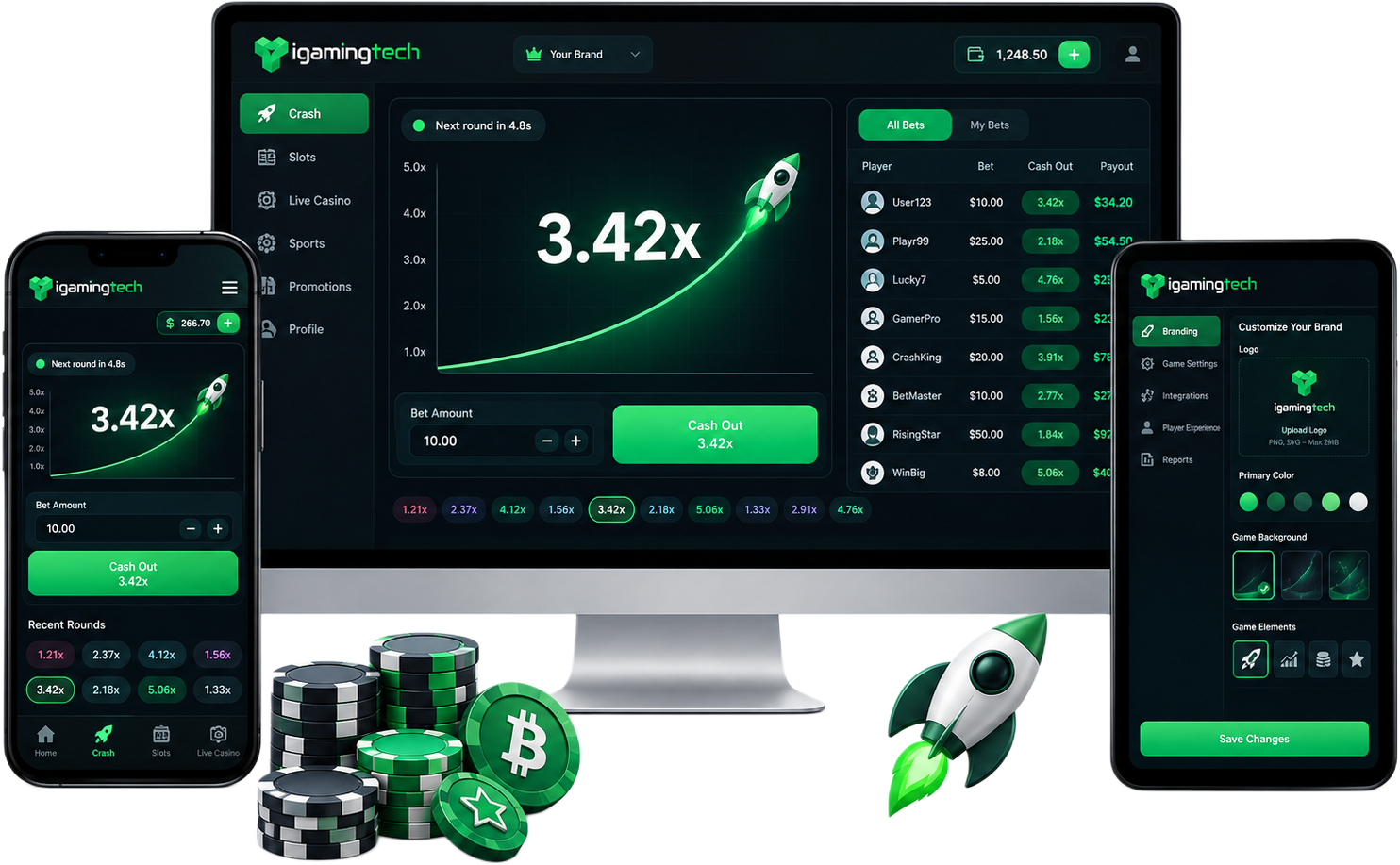




White-label crash game development gives iGaming operators a ready-built game foundation that can be branded, configured, and integrated with compatible player wallets, casino platforms, payment flows, and back-office systems. It is designed for businesses that want to launch a branded crash game without building the full product framework from the ground up.
Launch a branded crash game using an established product foundation rather than starting with a full custom build.
Configure the player experience, bet limits, access rules, currency settings, bonus rules, and reporting permissions to align with your operating model.
Connect the game with compatible wallet, player-account, payment, and back-office systems through an agreed integration scope.
Define ownership, testing, compliance responsibilities, support arrangements, and future development rights before launch.
Choose the right delivery model based on your target markets, brand requirements, integration complexity, and commercial goals.
iGamingTech works as a trusted crash game development company for operators that need a product built around brand value and daily control. The solution supports live game rounds. It also gives teams clear control over game settings, wallet flows, player activity, and future product updates.
Crash games depend on quick decisions and a smooth round flow that keeps players focused. White label crash game development gives operators a branded product with the core game foundation already in place. Operators planning a wider casino game portfolio can also explore slot game development for added game variety. This creates a faster route to a market-ready experience without the effort of building every system from the ground up.
The platform can support live multiplayer rounds and wallet wagers within one connected setup. Operators also gain room to manage game settings and player activity while planning new campaigns and future product updates.
White label crash game software gives operators a product designed around fast player decisions and continuous live activity. The platform supports the key moments that make crash games engaging while giving operations teams more control over exposure and game performance.
Players join the same live round and watch the multiplier rise together. This shared activity creates a more active game environment than isolated single player sessions.
Each round gives players a clear decision point before the multiplier crashes. This gameplay structure creates fast interactions that can encourage repeat participation.
Players can place two bets during the same round with different cash out targets. This adds more gameplay choice without making the experience difficult to understand.
Operators can manage bet limits and relevant game settings around their risk approach. This gives teams greater control during periods of high player activity.
The platform records wagers and cash out outcomes within the connected wallet flow. This helps operators maintain clearer transaction visibility across every completed round.
Crash game activity can support event based offers and retention campaigns. Operators can use round activity and player behavior to shape more relevant promotional plans.
Reporting tools help teams review round volume and wager behavior over time. These insights can support product decisions and campaign planning without relying on guesswork.
Bring your brand into every game round with a solution built for player engagement and operator control. The right setup can help your team move ahead with a more focused launch plan.
iGamingTech delivers white label crash game development that gives operators a clear path to launch and scale. The team combines branded game delivery with practical setup support so the final product fits business goals and daily operations.

Each game can reflect the operator’s identity through tailored themes and interface elements. The team keeps the core framework stable while shaping a player experience that feels distinct to the brand.

Teams can set bet limits and auto cash out rules based on commercial needs. They can also manage currency options and player access through a structured dashboard.

iGamingTech plans integrations around the existing platform before delivery begins. The setup can connect player accounts, wallets, payment providers, and back office systems with a clear delivery path.

Connected wallet flows support accurate wager handling and cash out actions across the player journey. This keeps game transactions aligned with the wider casino platform and gives teams better transaction visibility.

The admin dashboard gives operators access to game activity, player behavior, and transaction records. Teams can review settings and manage daily tasks without relying on technical support for every change.

Each project moves through structured testing before release. The team reviews game flow, wallet actions, settlement logic, and responsive performance to help create a smoother launch experience.
White label crash game software needs more than a live multiplier screen. It needs a connected product setup that supports player activity and operator control. These features help operators deliver smoother game sessions while managing payment settings and daily performance through a structured system.















The right option depends on your target market, launch timing, product requirements, integration needs, compliance obligations, and long-term ownership goals. Businesses comparing different delivery models can compare white label and custom iGaming models before deciding how much control and ownership they need after launch.
Primary Use Case
Operators that need a branded crash game with configurable features and integrations
Time To Launch
Often faster because the core game foundation already exists
Branding Flexibility
Branding, interface elements, and selected game settings can be tailored within the agreed scope
Integration Work
May include wallet, player-account, payment, reporting, and back-office integrations
Ownership Model
Depends on the commercial agreement and delivery model
Primary Use Case
Businesses that need a broader casino setup with multiple products and operational modules
Time To Launch
Can be efficient when the wider platform and required modules are already available
Branding Flexibility
Branding may apply across the wider casino environment
Integration Work
May include a broader package of platform-level integrations
Ownership Model
Depends on the platform agreement
Primary Use Case
Businesses that need a game built around highly specific product, technical, or commercial requirements
Time To Launch
Usually longer because the game and supporting systems are built from the ground up
Branding Flexibility
Highest flexibility, subject to budget, design, and development scope
Integration Work
Integrations are planned and built around the selected architecture
Ownership Model
Usually defined through a bespoke development agreement
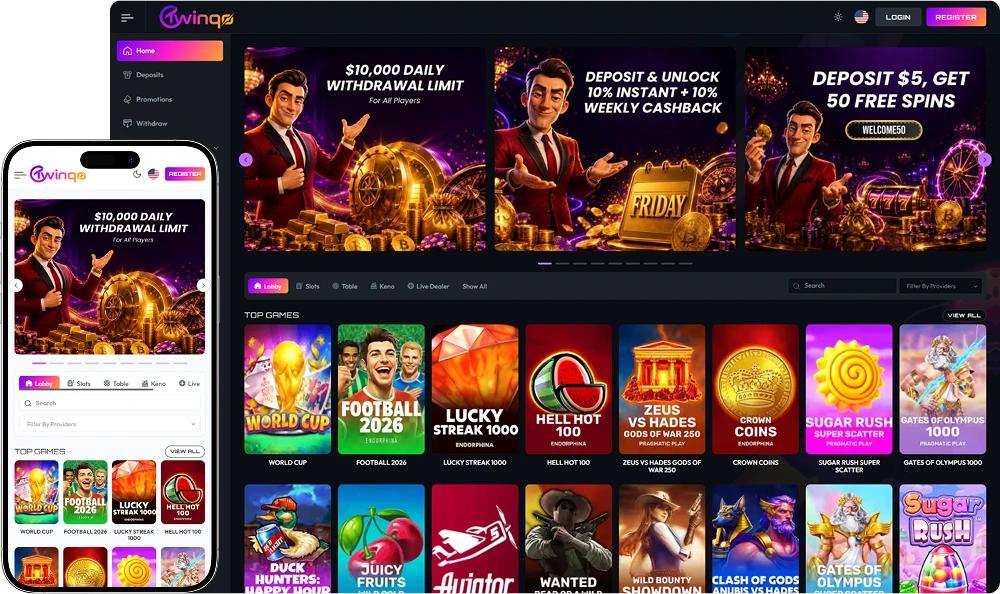
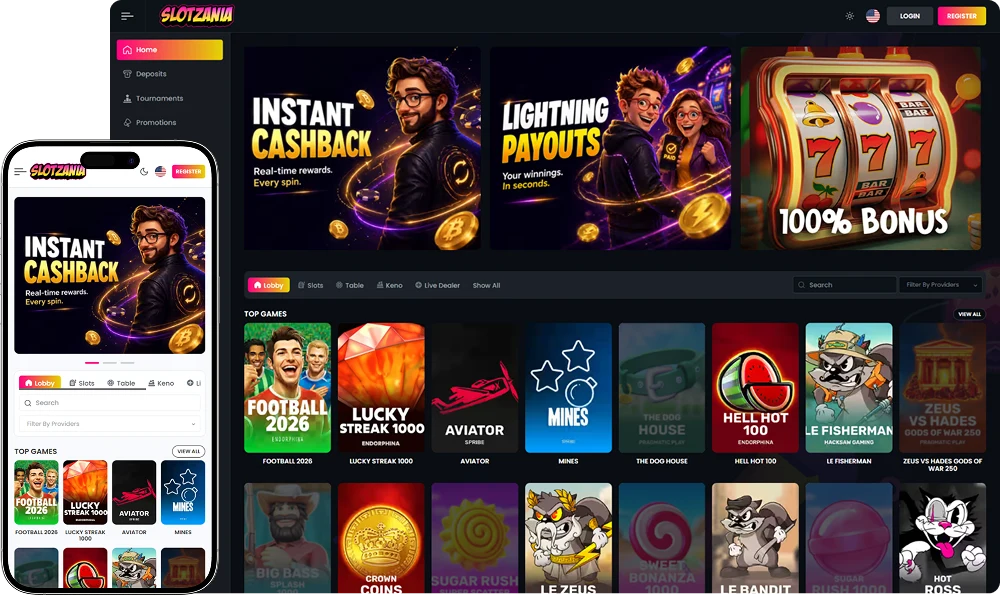
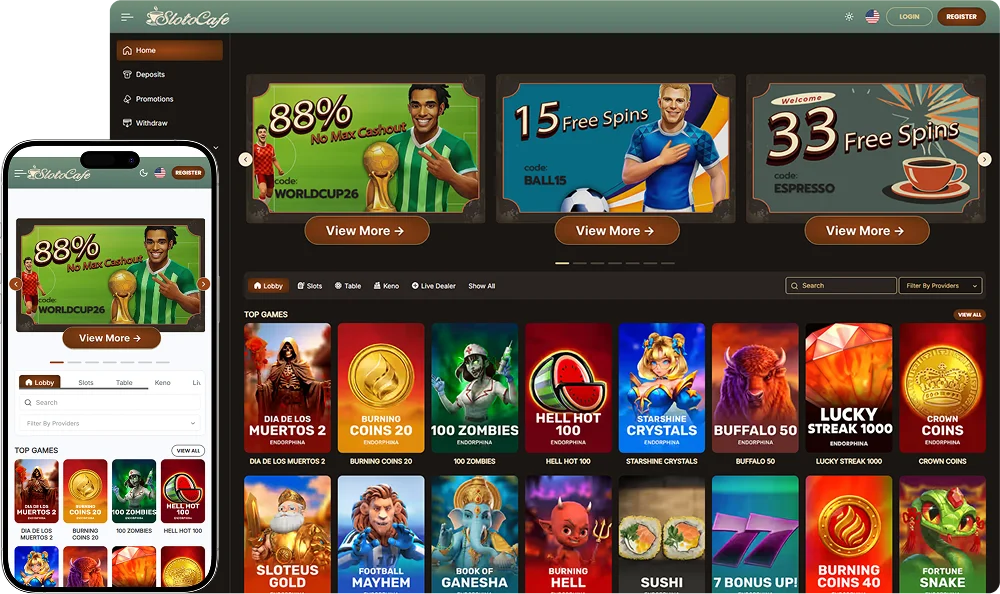
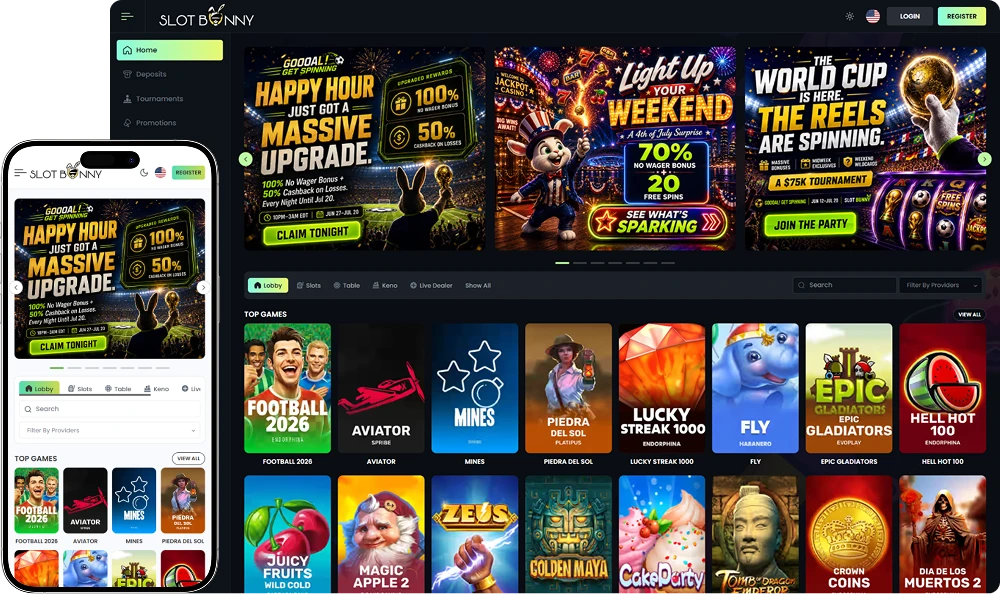
A successful crash game needs more than a player facing interface. It needs connected modules that support game activity and daily operator control. As a crash game software provider, iGamingTech can shape these modules around the launch model and operational needs of each business.
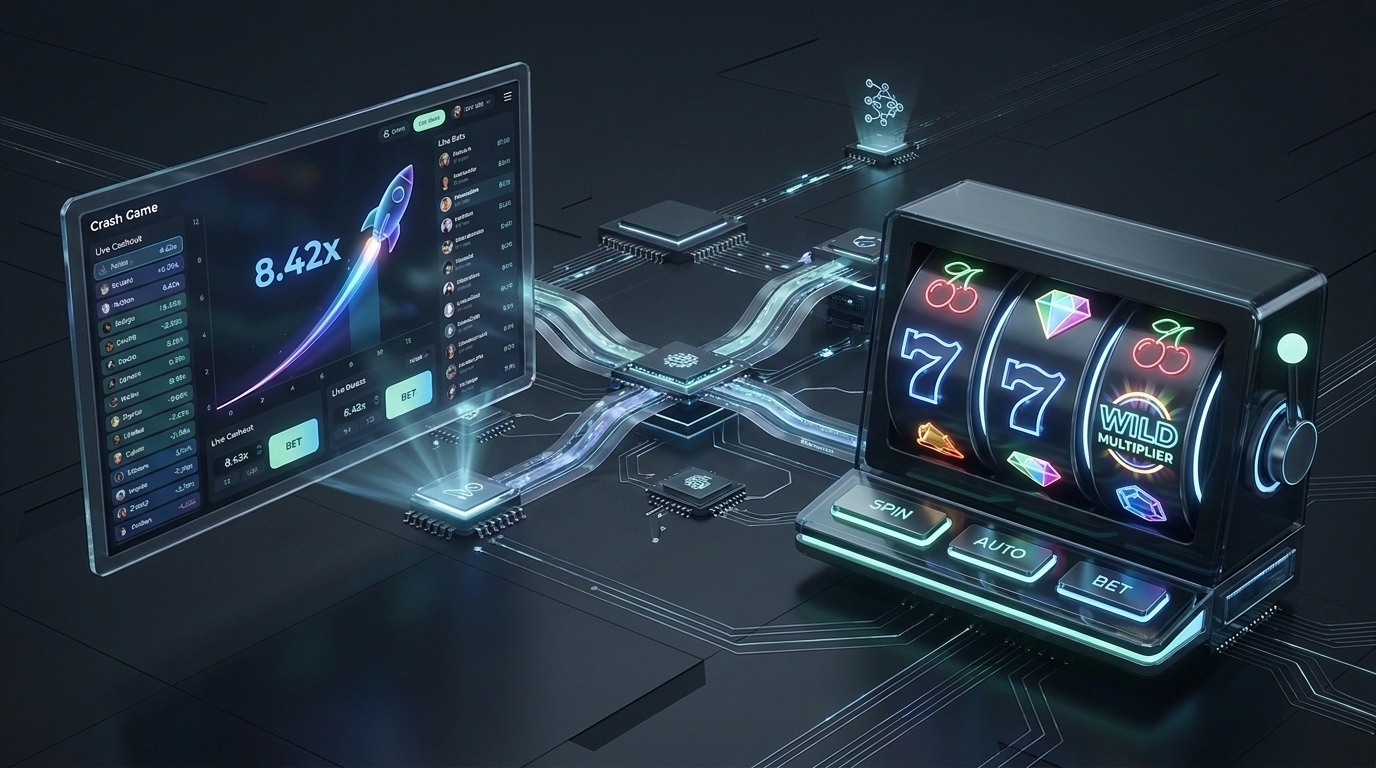
The crash game engine manages the live round flow and multiplier movement. It creates the core gameplay experience that players see during every session.
This module supports player registration and account access. It also helps teams review account activity. game history. and player status through a structured system.
The wallet and settlement module manages wagers, cash outs, and round outcomes. It helps keep game related transactions connected with the wider casino wallet flow.
The admin dashboard gives teams a central place to manage key game settings. It can support player oversight, transaction reviews, promotional updates, and access management.
Risk controls help teams identify unusual betting behavior and review exposure levels. This gives operators more visibility when managing daily game activity.
The bonus module supports promotional rules linked to crash game activity. Teams can create offers that align with player segments and campaign goals.
This module helps operators track affiliate activity and partner performance. It can support referral monitoring, commission workflows, and campaign level reporting.
Reporting tools give teams access to game activity, wager data, and player behavior insights. This helps operators review performance and make better operational decisions.
Content controls help teams update banners, campaign messages, and game related content without relying on technical teams for every change. This keeps the platform aligned with active promotions.
An API layer connects the crash game with external systems iGaming software systems. It can support wallet tools, payment providers, player account systems, and back office platforms.
A successful crash game launch needs more than an engaging game design. Before configuration and integration begin, operators need alignment across six areas. This framework helps define the product scope and reduce avoidable gaps during launch and daily operations.
Define the target markets and player groups before the project begins. Clarify the preferred launch model and the commercial goals behind the game. These decisions shape regional settings, payment needs, and the responsibilities of each operating team.
Clarify how the game will reflect the wider casino identity. This includes the visual style interface preferences, promotional content, player messages, and supported languages. The crash game also needs a clear role within the wider casino journey.
Map how players register and access the game. Define how they place wagers, receive settlement outcomes, review game history, and raise transaction queries. The integration plan needs to account for wallet rules, transaction records, reversal handling, reporting, and player account workflows.
Set the required game controls before launch planning begins. This can include bet limits, auto cash out options, player access rules, audit needs, and operator permissions. The team also needs to agree on the approach to outcome generation and player verification based on market and certification needs.
Identify every system that needs to connect with the game. This may include player accounts, wallets, payment tools, bonus systems, reporting dashboards, customer support workflows, and back office platforms. A clear integration map helps prevent delays during delivery.
Confirm who manages release tasks, supports access reporting, and post launch updates. The product roadmap also needs to outline future game themes, campaign tools, and market expansion plans. This gives operators a clearer path from initial planning to long term product growth.
Our crash game development services follow a structured path that turns a business idea into a branded, launch ready product. Each stage keeps the game setup aligned with market goals and operator needs. The process also gives teams a clear view of decisions that shape the final player experience.
The team reviews target markets and launch goals before project work begins. This creates a clear product brief that guides the game setup and delivery plan.
Game rounds and bet settings are planned around the selected business model. This stage defines the core experience before the platform moves into configuration.
Visual elements are shaped around the operator identity and player journey. The game interface can reflect brand colors and content direction across every screen.
The team prepares the crash game for wallet flows and player account systems. This helps keep core game activity connected with the wider casino environment.
The final stage focuses on deployment steps and future product priorities. Operators can plan game updates and campaign features as the business starts to grow.
Our developers work across modern web, mobile backend, and platform technologies to build scalable digital products. This broad expertise helps businesses choose the right tools for custom development while enabling faster delivery.
 ReactJS
 NextJS
 VueJS
VueJS
 NuxtJS
 Node.js
 NestJS
 Laravel
 Python
 Adyen
Adyen
 Crypto Wallet APIs
 Skrill
 MongoDB
 PostgreSQL
 ClickHouse
 Mysql
Mysql
 Sportradar
 Evolution
 Pragmatic Play
 Genius Sports
 Ezugi
Ezugi
 Betfair Exchange API
 AWS
AWS
 GitHub Actions
 Cloudflare
 Kubernetes
 Terraform
 Microsoft Azure
 Docker
A branded crash game works best when operators can manage the details that shape player activity and business performance. White label crash game offers teams the flexibility to adjust core settings as market needs change. This helps operators keep the game aligned with regional demand and daily operational goals.
An operator needs a clear target market, brand direction, and player account plan. The project scope also needs to define the required integrations and launch responsibilities before development begins.
A white label launch can move faster because the core game foundation already exists. The final timeline depends on branding needs, wallet integration, and the number of platform connections involved.
Yes. The game can connect with an existing casino platform through an API. The setup can support the game lobby, player accounts, wallets, reporting tools, and back office workflows.
Operators can manage branding, bet limits, player access, currency settings, bonus rules, admin roles, and reporting access. The available controls depend on the agreed product scope and the selected launch model.
An RNG creates unpredictable game outcomes. Some projects can also use provably fair logic that allows players to verify the outcome process. Testing and certification needs depend on the rules in each target market.
Yes. Operators can tailor the game theme, logo placement, interface style, campaign messages, and visual assets. A white label setup gives brands room to create a consistent experience without rebuilding the core game system.
Yes. The game can connect with an existing wallet to manage wagers and settlement records. The integration plan needs to account for transaction rules, reversal handling, and reporting requirements.
The operator remains responsible for meeting the legal and licensing requirements of each target jurisdiction. The development team can prepare the product around technical requirements, but legal approval depends on the operator model and market rules.
The cost depends on the launch model. brand customization, wallet integration, payment setup, game controls, compliance requirements, and support needs. A detailed discovery stage helps define the right scope before development starts.
Ownership depends on the commercial agreement and launch model. The agreement needs to clearly define rights for branding, source code, game configuration, and future product changes.
Operators should ask about the integration scope, product ownership, wallet compatibility, and post launch services. Clear answers to these questions help businesses avoid costly gaps after development begins.
Our casino platform experienced performance problems when many users were online. It started with slower response times and backend limits. iGamingTech identified architecture problems. Their team improved areas like backend optimization, database speed, and third‑party integrations. iGamingTech’s development method helped our casino platform become stable and run smoothly.
Turn your product vision into a live game experience that fits your business goals. White label crash game development gives operators a clear route to market with the right platform support.
User experience (UX) shapes every sportsbook task. Each action affects the next betting decision. A player moves through multiple stages,...
Read More
Modern sportsbooks rely on several connected systems to manage betting operations. Odds feeds supply current market prices. Wallet services reserve...
Read More
Provably fair Bitcoin games let a player reproduce the calculation behind a completed result. The game first publishes a cryptographic...
Read MoreFrom Idea Validation To Post-Launch Support. Our Team Guides You Through Every Stage Of Development.

Discuss Your Platform, Business Goals, Features, And Timeline.

Review Architecture, Integrations, Compliance, And Scalability.

Receive A Tailored Roadmap, Delivery Timeline, And Pricing.

Meet Your Engineering Team And Start Development.

Ready To Bring Your Crash Game Idea To Life? Message Us On Telegram And Our Team Will Get Back To You Directly — No Forms, No Waiting.
Message Us On TelegramYour Information Is Secure And Will Never Be Shared.
We Typically Respond Within Minutes On Telegram.