











How Betting UX Consultancy Improves Sportsbook User Experience and Conversion
User experience (UX) shapes every sportsbook task. Each action affects the next betting decision. A player moves through multiple stages,...
Read MoreBuild a branded sportsbook platform with custom betting workflows, live market support, payment integrations, and operator controls. iGamingTech helps businesses launch web and mobile betting solutions through flexible custom development or white label delivery models based on their market goals. Operators can manage player accounts, odds, limits, settlements, and reporting through a dedicated back office while maintaining original branding and platform ownership requirements.
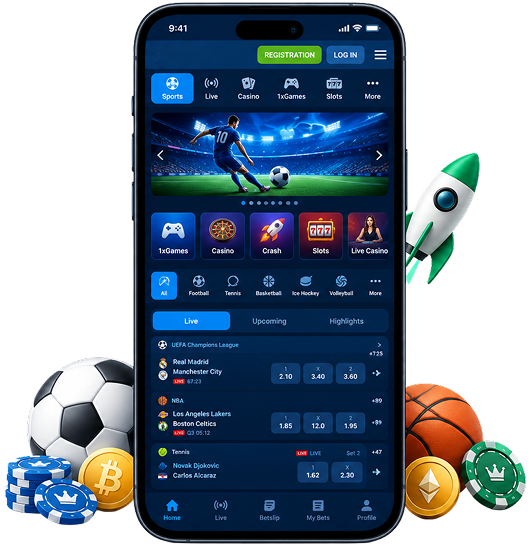




A custom 1xBet clone app is a branded sportsbook product inspired by familiar betting journeys while using original code design and branding. Businesses can select custom development or a white label base. The right model depends on the required level of control and integration scope. Target jurisdictions and launch priorities also shape this decision.
The delivery approach depends on launch goals, ownership requirements, and the level of platform customization needed.
An app like 1xBet can serve responsive web users as well as Android and iOS audiences. The chosen channels affect interface design and release planning.
The product needs reliable sources for odds and event data. It may also require payment providers and identity verification services for each approved market.
The back office needs clear controls for player accounts and market availability. It also needs settings for margins, limits, settlement, and reporting.
Global delivery does not mean one regulatory setup fits every country. Licensing, age rules, geolocation, and responsible gambling requirements need separate review for each jurisdiction.
Our sportsbook platform metrics highlight the operational coverage available for modern betting businesses. Each figure represents a tested capability across platform modules, third party connections, and betting operations. These benchmarks demonstrate the flexibility available for launching and managing sportsbook products across different markets.
A sportsbook cannot operate on interface design alone. It needs a betting engine that receives market data and applies pricing rules. The system must validate each wager before confirmation. Wallet records must reserve funds at the correct point and update balances after settlement. These controls turn a familiar betting journey into a working product.
iGamingTech approaches 1xBet clone app development services as product engineering rather than screen replication. Its sports betting app and software development approach connects the player interface with odds feeds and account services. It also links wallet logic with risk rules and settlement records. The operator back office then controls markets, user access, payments, and reporting. This structure lets each business define original branding and operating rules without depending on another sportsbook’s visual identity.
iGamingTech handles each delivery layer required to move a sportsbook from an approved concept into a controlled release. The scope can use custom engineering or white label configuration. Its online betting software development work creates defined outputs at every stage. This keeps technical decisions traceable across the product.
The team documents target jurisdictions and betting models before selecting the delivery path. The final scope records user roles and supported channels. It also identifies provider dependencies and ownership boundaries.
Designers map registration and market discovery through wireframes. They then prototype bet placement and wallet access under an original visual system. Product teams can approve each journey before engineering begins.
Developers create responsive web experiences and mobile applications against the same approved service contracts. This sportsbook app development approach keeps account actions and bet states consistent across supported devices.
Engineers build or configure services that process market changes and betting requests. They define validation rules and transaction states. They also prepare controlled recovery paths for failed operations.
The back office assigns separate permissions to trading and finance teams. Support and compliance staff receive role specific work views. High impact actions follow an approval path and create an audit record.
External providers are connected through tested integration workflows before production release. It tests authentication and error responses. It also verifies callbacks and rate limits before production access.
Quality checks trace complete player and operator journeys across the approved environment. The release package includes defect status and deployment records. It also defines rollback steps and post launch monitoring ownership.
Share the target markets, required odds, and payment connections. iGamingTech will map the suitable custom or white label route and identify the decisions needed before development begins.
iGamingTech structures 1xBet clone app development services around the operator’s chosen delivery model. The team records what it will build and connect. It also identifies what the operator or provider must supply and approve.

One team covers white label configuration and custom engineering. The operator can compare both routes before assigning budget to platform work.

Engineers review changes against bet acceptance, wallet reservation, and settlement. This keeps technical review tied to the complete financial event path.

Provider access, field mapping, and test ownership are defined before connection work. Each odds or payment dependency has a named approval point.

Engagement terms identify admin permissions, player data access, and provider account ownership. Operators can see which controls remain internal or supplier managed.

Test reports link expected results with bet and financial records. Decision makers can review open defects and verified fixes before approving release.

Technical documentation covers system access, deployment steps, and recovery procedures. Maintenance follows the response and release scope agreed for production.
A custom 1xBet clone app needs two coordinated experiences. Players need clear paths for account access and wager review. Operators need controlled actions for markets and financial records. An app like 1xBet also preserves account balances and bet states across web and mobile channels. The feature scope below separates player actions from operational responsibilities.

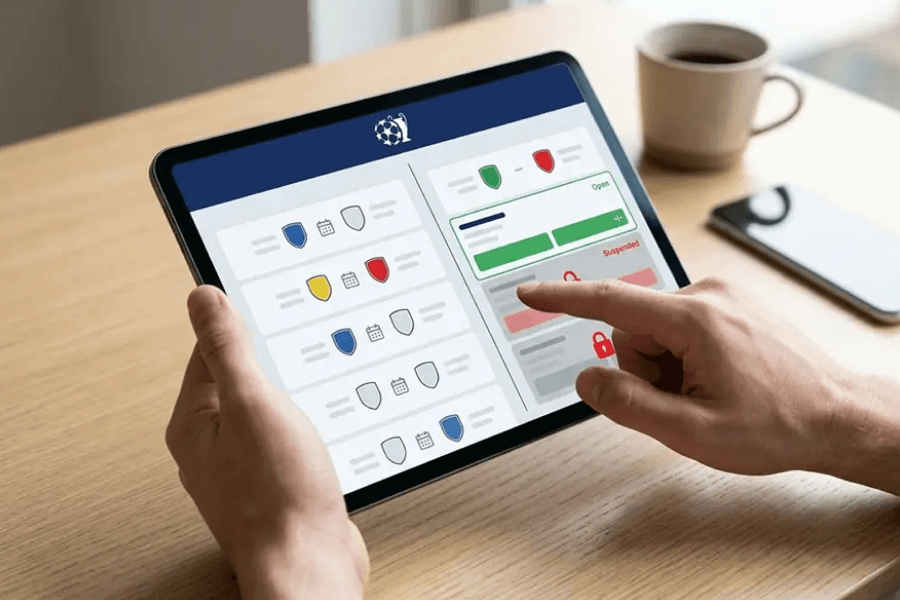
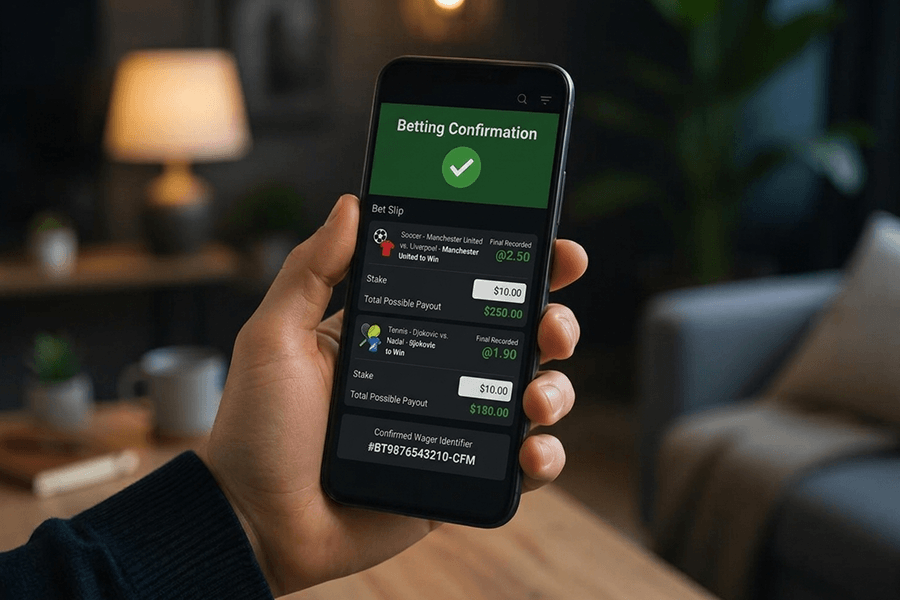
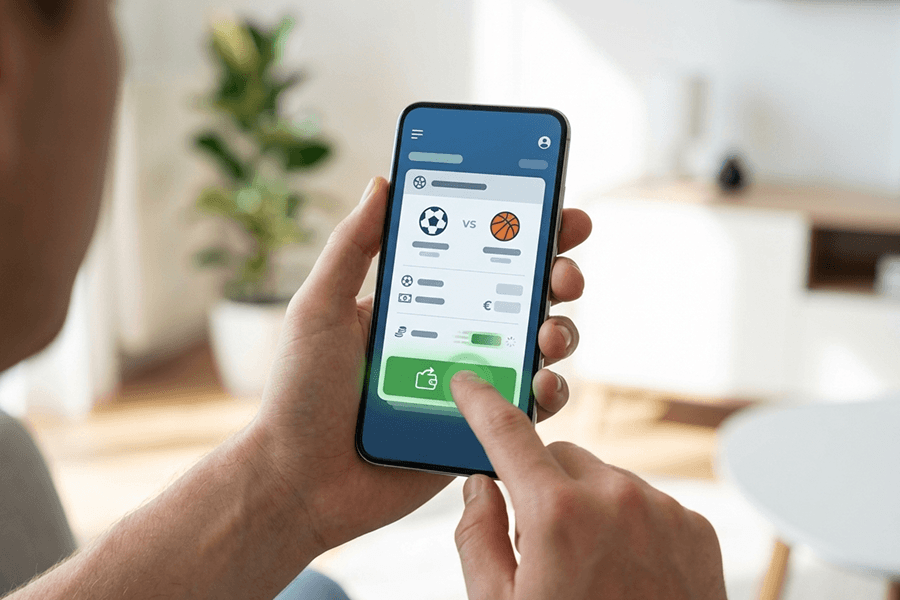

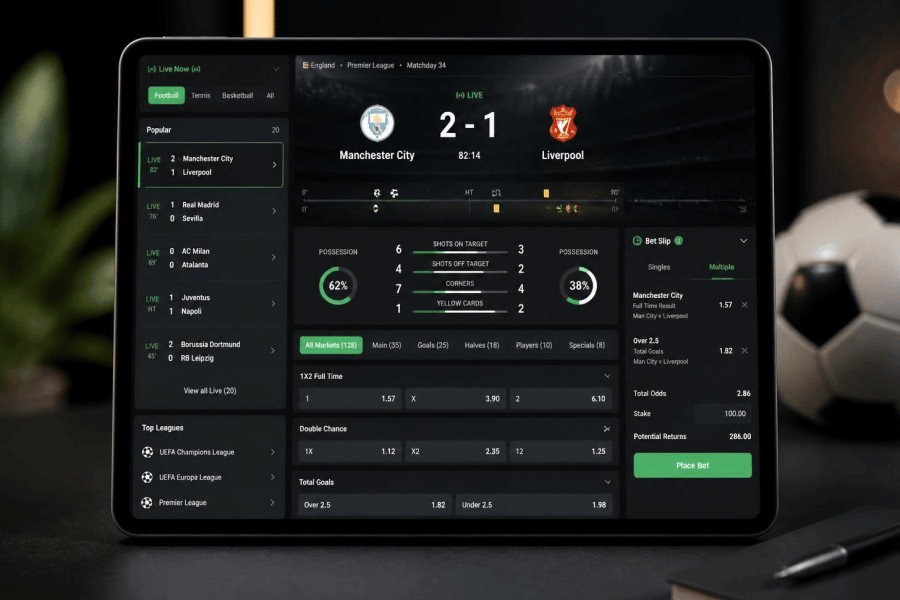


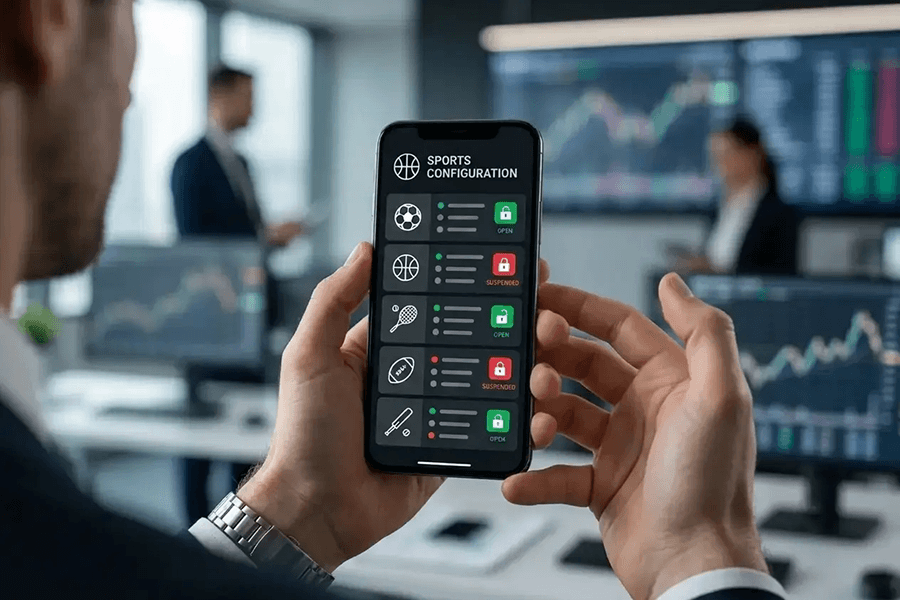
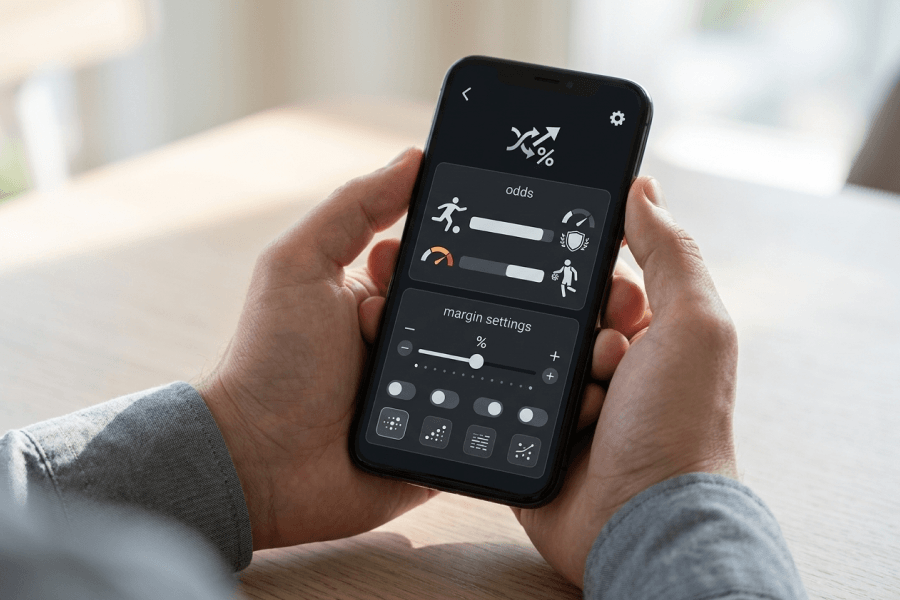



The right model depends on launch timing and the responsibilities a business wants to retain. Teams planning an app like 1xBet can compare white label sports betting software with custom built vs ready made sports betting software. The agreement defines source code rights and player data access. It also assigns responsibility for integrations and production operations before development starts.
Primary Use Case
Primary use case
Time To Launch
Time to launch
Branding Flexibility
Branding and workflows
Integration Work
Ownership and migration
Ownership Model
Integrations and data
Primary Use Case
Operators using 1xBet clone script development to configure a branded sportsbook on an existing core.
Time To Launch
Usually shorter because core services already exist. Market approval and new adapters can extend the schedule.
Branding Flexibility
Brand colors, content, and selected player journeys change within exposed settings.
Integration Work
The provider retains the core platform. The agreement defines instance access, export rights, and exit terms.
Ownership Model
The platform uses available connectors unless the provider approves a new adapter. Data access follows the contract.
Primary Use Case
Businesses that need sportsbook technology, managed trading, and risk operations.
Time To Launch
Often shorter than custom when the provider already covers the target market and required operations.
Branding Flexibility
Branding applies across a managed environment. Core workflows remain under provider control.
Integration Work
The provider owns and operates the platform. Transition options depend on service and data transfer terms.
Ownership Model
The provider selects and manages most connections. Operators receive agreed dashboards and data exports.
Primary Use Case
Teams using 1xBet clone software development to define original workflows and system boundaries.
Time To Launch
Usually longer because architecture, provider adapters, and acceptance tests follow the approved scope.
Branding Flexibility
Product teams define interface behavior, operating rules, and future priorities.
Integration Work
The contract defines source code rights. Portability also depends on cloud access and technical documentation.
Ownership Model
The operator selects providers. The approved scope defines adapters, data storage, and reporting access.
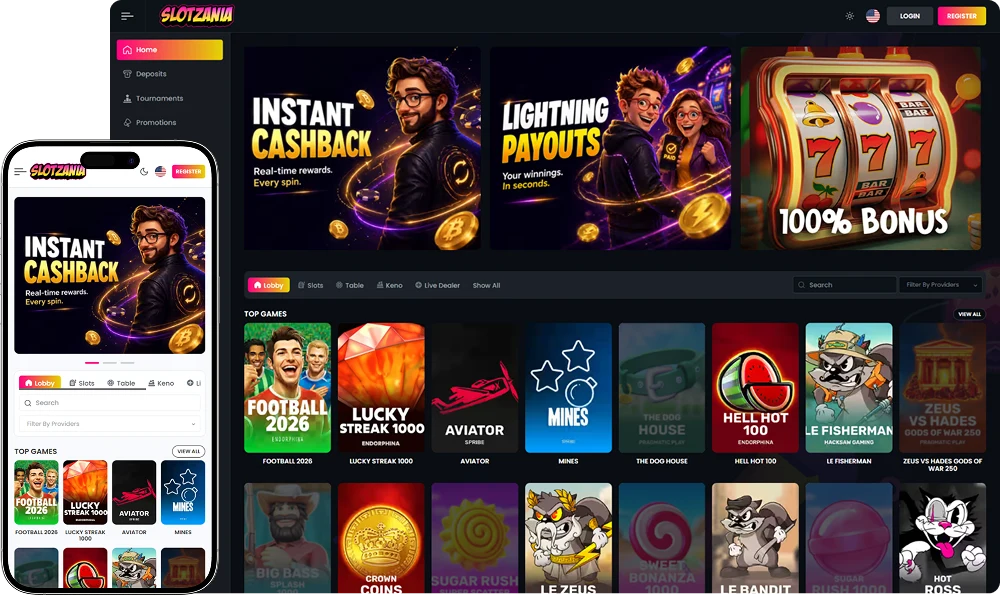
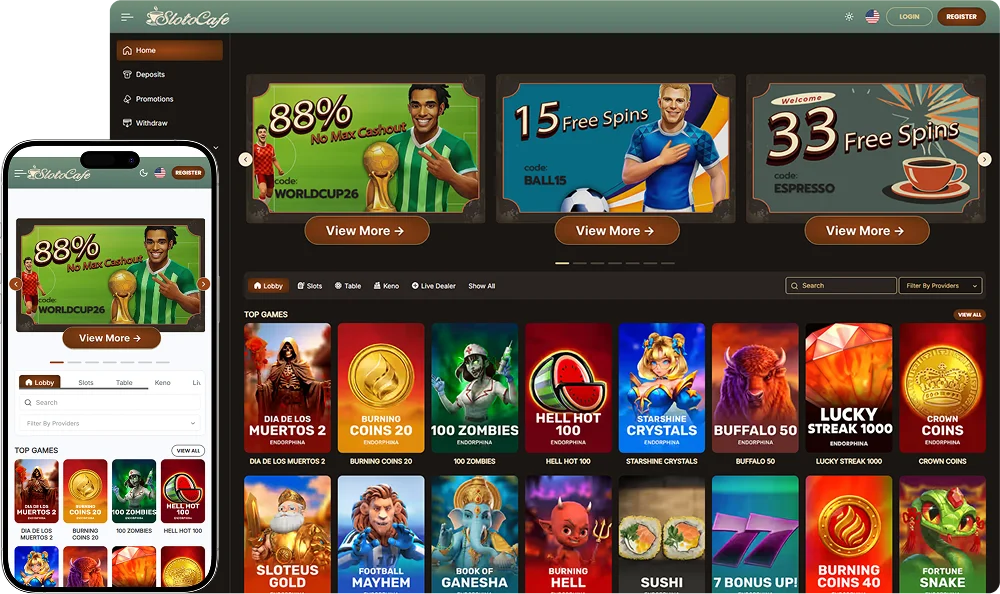
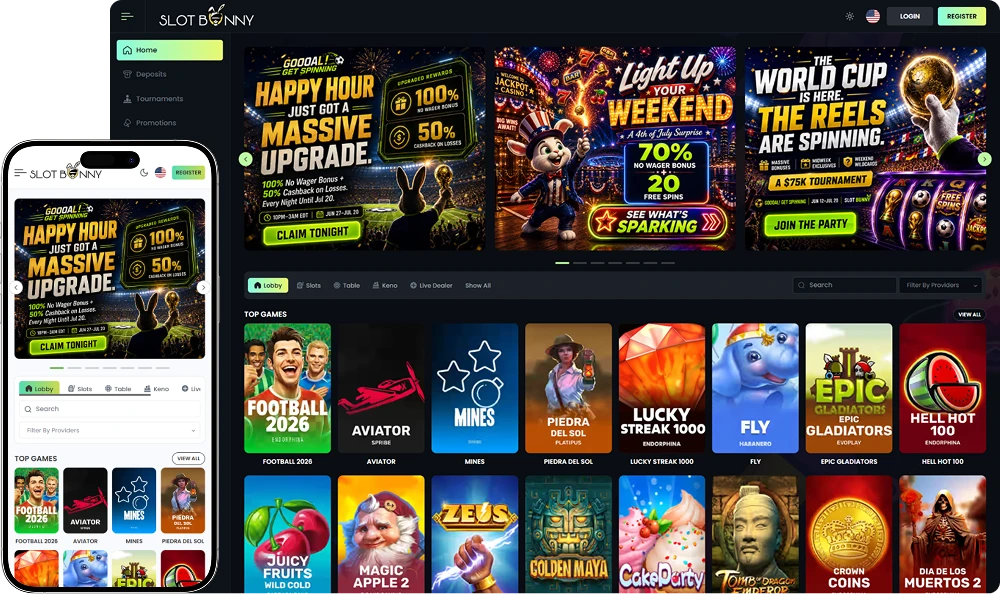
An application programming interface (API) defines how the sportsbook exchanges requests and records with external services. Effective sports betting API integration aligns identifiers and transaction states across each provider. During 1xBet clone software development, every connection needs documented rules for authentication and update behavior. Error handling needs to be defined before production traffic begins.

Odds providers may use different names and identifiers for the same event. Odds feed API integration maps those records into one internal structure before prices reach markets and bet slips.
Live score services send event status and match incidents on separate update cycles. The platform links each update to the correct sport and market before publishing it to active player screens.
An iGaming payment aggregator routes deposits and withdrawals by region and payment method. Wallet callbacks update transaction states only after the platform validates the provider response.
Identity services return verification states instead of simple pass or fail messages. Geolocation checks compare the player location with access rules before registration or betting continues.
In online betting software development, the API gateway verifies credentials and request signatures. It also applies rate limits and rejects malformed data before calls reach internal services.
Monitoring checks feed freshness and response times for every connected provider. Stale updates trigger alerts and can suspend affected markets before outdated information ever reaches players.
Fallback rules direct approved requests to a backup provider when the primary service fails. Persistent queues retain all unfinished events so processing can resume without creating duplicates.
Sports betting API integration testing compares requests and callbacks with wallet and market records. Reconciliation exposes missing updates and mismatched identifiers before production launch.
Security in live betting app development protects identity and transaction state without slowing time-sensitive betting actions. Licensing duties vary by market. The operator needs to confirm local laws and technical requirements before launch. Platform settings do not replace legal approval. The sports betting app security checklist gives decision makers a structured control review before release.
Account access can require verified credentials and a second factor. Session rules expire inactive tokens and block repeated login attempts before account access resumes.
Role based permissions separate trading and finance actions from support work. Approval rules protect limit changes and withdrawals while logs record the actor and exact time.
Encryption protects account and payment data during transfer and storage. Key access stays limited to approved services while scheduled rotation limits credential lifespan.
Bet and wallet records keep the original request and every state change under one identifier. Teams can trace all reserved funds and settlements without rewriting history.
Monitoring compares device reuse and login velocity with payment and betting patterns. Defined thresholds route suspicious accounts for review before withdrawals continue.
Know Your Customer (KYC) checks verify identity before betting. Anti Money Laundering (AML) rules route higher risk accounts and transactions for documented review by staff.
Age checks validate eligibility while geolocation maps each session to jurisdiction rules. The platform blocks betting when a user falls outside approved market conditions.
Deposit limits and self exclusion requests follow recorded activation steps. The platform applies each restriction across all channels before any further betting is allowed.
Each stage ends with evidence that the operator can review before the next stage begins. The project advances only after its decision maker accepts the stated output. Projects that need added delivery capacity can hire sports betting software developers for the approved build and test scope.
The team records the operating model, target jurisdictions, channels, and ownership boundaries. Acceptance requires an approved scope and responsibility matrix.
The sportsbook app development blueprint maps user journeys to system components and provider duties. Approval covers wireframes and measurable acceptance criteria.
The build gate covers custom engineering or white label configuration. During 1xBet clone script development each demonstration confirms working modules and records open dependencies.
Contract tests confirm provider responses. Teams reconcile bet settlement and wallet records before load and security tests. User Acceptance Testing (UAT) confirms approved journeys.
Release requires an approved test record, deployment plan, and rollback steps. Handover covers access ownership, runbooks, and post launch monitoring.
Our developers work across modern web, mobile backend, and platform technologies to build scalable digital products. This broad expertise helps businesses choose the right tools for custom development while enabling faster delivery.
 ReactJS
 NextJS
 VueJS
VueJS
 NuxtJS
 Node.js
 NestJS
 Laravel
 Python
 Adyen
Adyen
 Crypto Wallet APIs
 Skrill
 MongoDB
 PostgreSQL
 ClickHouse
 Mysql
Mysql
 Sportradar
 Evolution
 Pragmatic Play
 Genius Sports
 Ezugi
Ezugi
 Betfair Exchange API
 AWS
AWS
 GitHub Actions
 Cloudflare
 Kubernetes
 Terraform
 Microsoft Azure
 Docker
A custom 1xBet clone app designed through live betting app development needs separate components for fast screen updates and auditable transaction processing. Each technology must have a defined role. The final stack should reflect workload shape and the product team’s long term ownership plan.
No. A responsible project does not reuse 1xBet source code, logos, content, or protected visual assets. It can implement common sportsbook tasks through original code and branding. Independent legal review remains necessary.
The right option depends on the business model. White label delivery suits earlier market entry with provider boundaries. Custom development fits original workflows and wider technical ownership. These contracts need clear data and exit terms.
The timeline depends on channels, integrations, target markets, and acceptance requirements. White label configuration usually needs less engineering than a custom build. Provider credentials and app store review can still delay release.
Cost changes with the delivery model, channels, live markets, and integrations. The estimate needs to separate development from provider fees, infrastructure, and continuing support. It also identifies every recurring charge.
No universal list applies. Most sportsbooks connect odds and results data with payments and identity verification. Some also need geolocation, messaging, analytics, or casino content. The operating model determines the final list.
Yes. The platform can localize languages, currencies, number formats, and payment methods. Each country still needs suitable provider coverage and jurisdiction settings. Configuration does not create a gambling license.
The operator is responsible for legal advice and required gambling licenses. A development team can translate confirmed requirements into technical controls. It cannot authorize gambling activity, regulatory approval, or app store approval.
Ownership depends on the contract and delivery model. Terms need to cover repository access and source code rights. They also need to keep track of database exports, hosting credentials, and provider accounts. Exit terms also need to address migration support.
Yes, they can be added when the jurisdiction and selected providers permit them. Casino games need approved content suppliers. Cryptocurrency payments need a defined wallet model and reconciliation process. Legal and provider review remains necessary.
Our casino platform experienced performance problems when many users were online. It started with slower response times and backend limits. iGamingTech identified architecture problems. Their team improved areas like backend optimization, database speed, and third‑party integrations. iGamingTech’s development method helped our casino platform become stable and run smoothly.
Define your target markets, betting features, supported channels, and required integrations. iGamingTech review your requirements and recommend the right approach between custom development and white label delivery.
User experience (UX) shapes every sportsbook task. Each action affects the next betting decision. A player moves through multiple stages,...
Read More
Modern sportsbooks rely on several connected systems to manage betting operations. Odds feeds supply current market prices. Wallet services reserve...
Read More
Provably fair Bitcoin games let a player reproduce the calculation behind a completed result. The game first publishes a cryptographic...
Read More