





How a Casino SEO Strategy Builds Organic Traffic and AI Visibility
A casino operator adds games from a new provider. Players can open them in the lobby. Yet some game tiles...
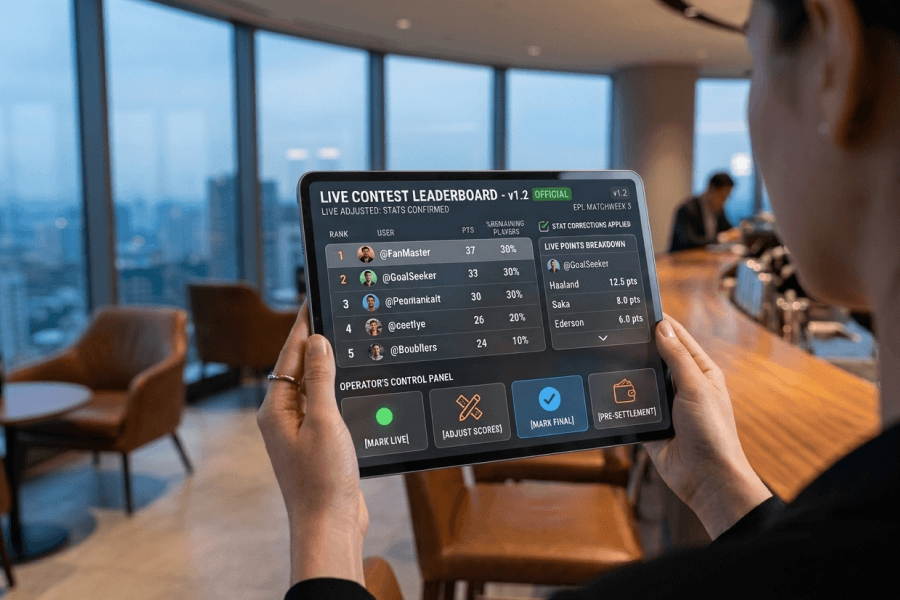
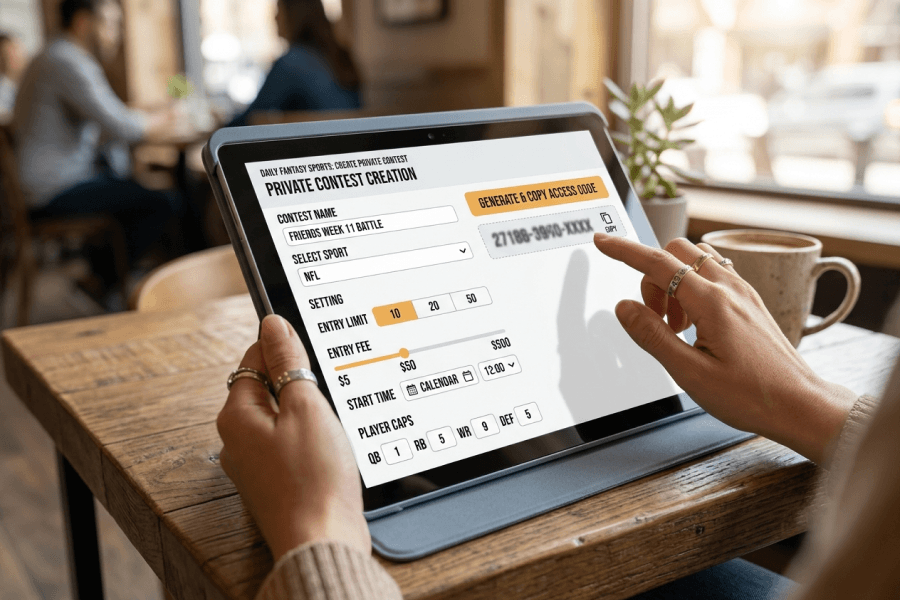
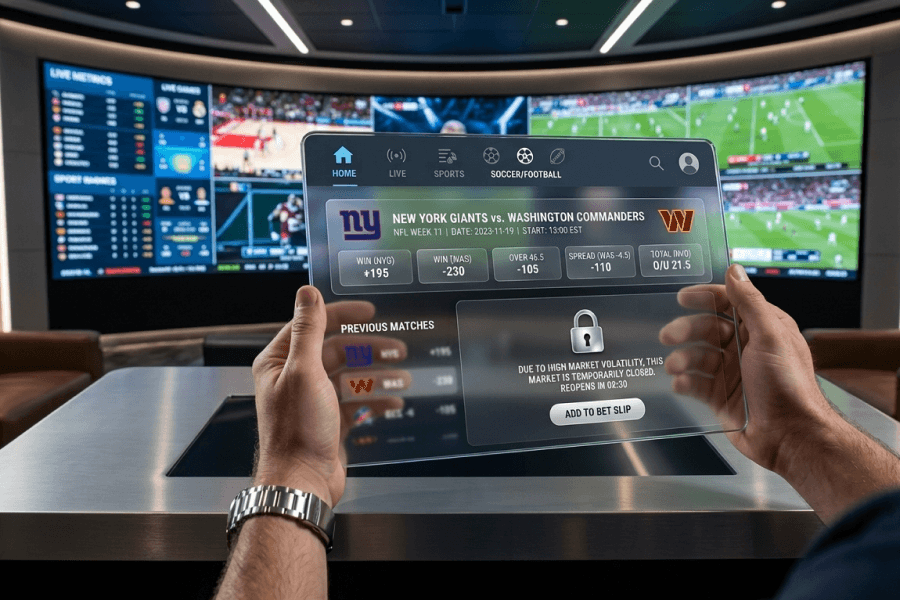
Read MoreBusinesses that build a fantasy sports app like DraftKings need separate engines for fantasy contests and sportsbook wagers. The fantasy engine manages lineup rules and live scoring. The sportsbook engine processes odds and bet settlement. iGamingTech connects both engines through one account and operator dashboard. The platform keeps contest controls and betting controls separate. This structure lets operators configure sports coverage, payment workflows, and market restrictions for their jurisdiction.
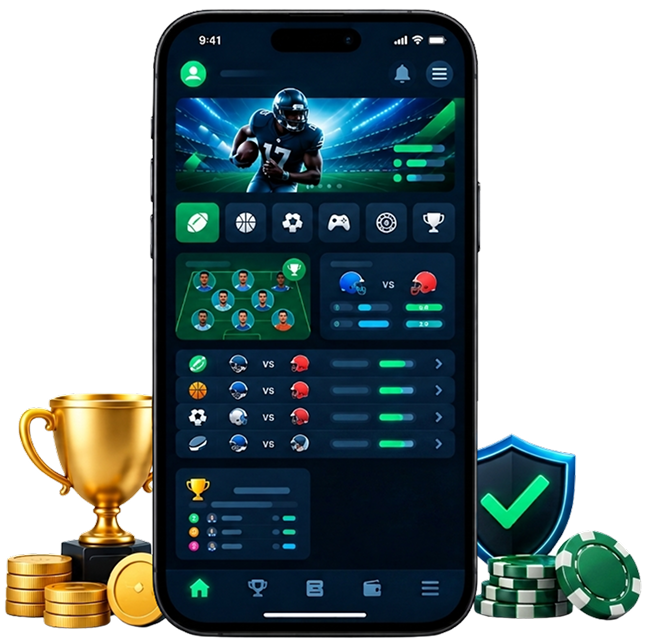



A DraftKings style project uses the platform as a functional reference. It does not copy its source code, interface, or brand assets. DraftKings clone app development means creating an independent product with custom workflows. The final contract defines source code access, hosting responsibility, and provider ownership before development starts.
Branded applications for web and mobile devices with product-specific navigation.
Contest features for salary rules, scoring configurations, and leaderboards.
Prematch and live markets with bet confirmation and settlement records.
User reviews, financial reporting, and audit records.
Sports data, odds, payments, identity checks, and geolocation across approved launch markets.
iGamingTech delivers custom fantasy sports and sportsbook platforms built around your product requirements, sports coverage, and launch market. Our solutions connect fantasy contests, sportsbook workflows, payments, data feeds, and operator controls while keeping each core engine separately managed.
Fantasy contests and sportsbook wagers follow different transaction paths. The fantasy engine validates each lineup against roster limits and salary rules. It applies confirmed player statistics to the scoring model. It then ranks entries and calculates prizes. The sportsbook engine checks the offered price and account balance before accepting a wager. It records the accepted terms and settles the bet after the result becomes official.
Businesses looking to build apps like DraftKings sportsbook offerings can connect these engines to one identity service and payment layer. The identity service applies location and account status rules. The payment layer sends every balance change to a ledger. A ledger is the permanent transaction record. It labels contest entries, wagers, prizes, and refunds separately. This separation lets the platform allow fantasy play while restricting sportsbook access in markets where different rules apply to each product individually.
iGamingTech delivers DraftKings like fantasy sports app development through these defined services. Each service creates a separate technical output and approval point. This keeps interface decisions from changing scoring rules or wagering logic after coding has started. Businesses can connect the wagering module with custom sports betting app and software development services for odds delivery, wager validation, and settlement workflows.
Maps the target sports, contest formats, wagering models, and user roles. The team records product rules, provider dependencies, and risks in a scope document before design work starts.
Creates player flows on web and mobile for registration, contest entry, team selection, and bet placement. Clickable prototypes confirm how screens behave before interface coding starts.
Builds separate core services for fantasy scoring and sportsbook wagering. Engineers define how contests, bets change status, apply validation, and settlement rules to each product in code.
Develops responsive web interfaces and mobile applications with an operator portal. The portal gives approved staff access to configuration, review reporting functions, and access logs.
Connects sports statistics, odds feeds, payment services, and identity tools. Each connection secures access credentials, maps incoming fields, and records errors for reliable processing.
Tests scoring outcomes, wager acceptance, balance movements, and live traffic limits before release. After launch, the team tracks defects and provider changes and prepares controlled fixes.
iGamingTech scopes requests to build a fantasy sports app like DraftKings around ownership needs, vendor dependencies, technical fit, and delivery model. This gives decision makers clear criteria for evaluating the engagement.

Before estimation, the team documents contest formats, wagering rules, market coverage, feed dependencies, and operator roles. Each item receives an approval owner and clear exclusions.

Provider neutral feed design keeps external data formats outside the core engines. Operators can replace a statistics and odds supplier without rewriting every core product service.

Technology choices for web and mobile products include React, Next.js, Node.js, Python, PostgreSQL, cloud deployment, and container tooling. The stack can fit the approved architecture.

Businesses can choose custom development, white label software, or dedicated developers based on ownership needs and internal capacity. The selected model stays explicit in the scope.

An odds feed API boundary isolates provider updates from scoring or wagering services. Teams can revise authentication, data mapping, and endpoints without changing unrelated logic.

Technical documentation records system dependencies plus integration rules throughout delivery. Internal teams receive a clear reference for future updates and maintenance decisions.
Businesses that develop fantasy sports apps like DraftKings need to define fantasy contest actions separately from sportsbook wager actions. The features below specify what users can do before entry and after official results become available.
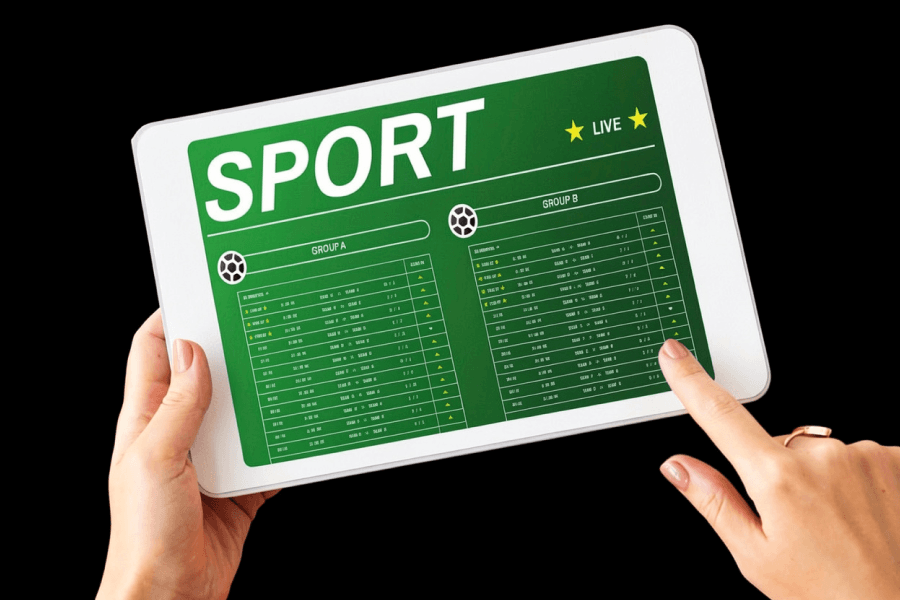

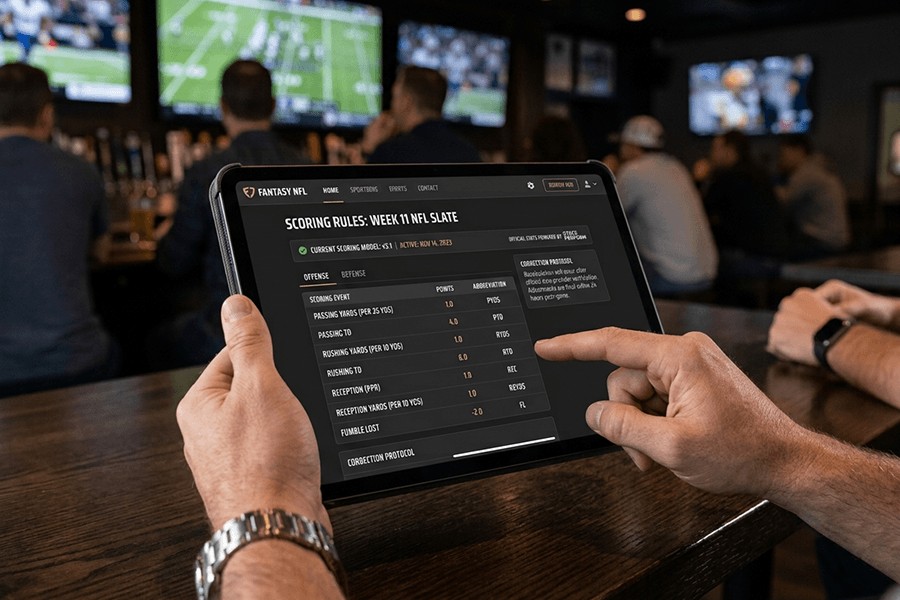

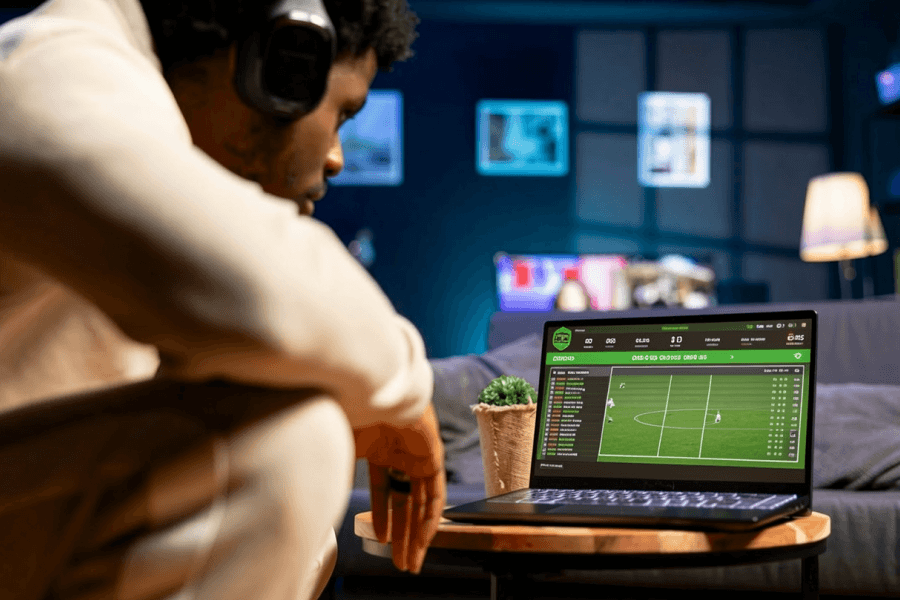
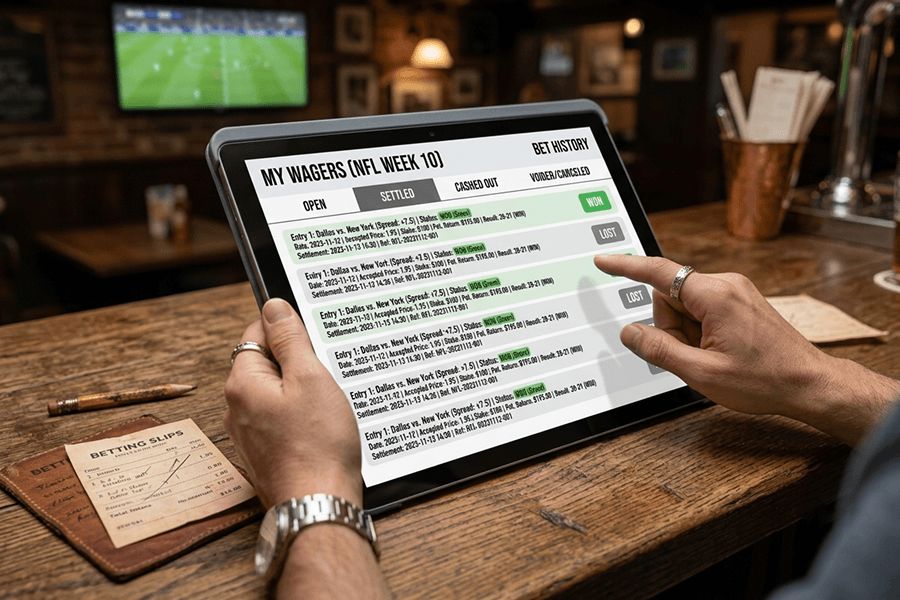

A DraftKings clone refers to a comparable fantasy sports and sportsbook model. It does not permit copied source code or visual assets. Businesses can compare custom built and ready made sports betting software before choosing a delivery path. The final choice determines product control plus vendor dependence.
Primary Use Case
Best fit
Time To Launch
Product foundation
Branding Flexibility
Change control
Integration Work
Ownership terms
Ownership Model
Exit planning
Primary Use Case
Distinct contest rules or wagering workflows require original engineering.
Time To Launch
Interfaces plus backend services start with approved operator requirements.
Branding Flexibility
The operator sets priorities for every product and technical change.
Integration Work
The contract defines source code rights, repository access, and reuse rights.
Ownership Model
Provider replacement depends on retained credentials, infrastructure records, and integration access.
Primary Use Case
Existing modules already cover most approved product requirements.
Time To Launch
Existing modules receive approved rules, brand settings, and integrations.
Branding Flexibility
Changes stay within exposed settings or extensions approved by the provider.
Integration Work
The buyer confirms licensing terms, hosting access, and data export rights.
Ownership Model
Migration depends on export formats, notice periods, and transition assistance.
Primary Use Case
Distinctive product logic needs custom engineering while selected platform services remain.
Time To Launch
Custom contest or wagering components connect with retained platform services.
Branding Flexibility
Custom components follow the operator roadmap. Shared services follow platform constraints.
Integration Work
The agreement separates custom component rights from reused module licenses.
Ownership Model
Each reused service needs a documented interface and a defined replacement path.
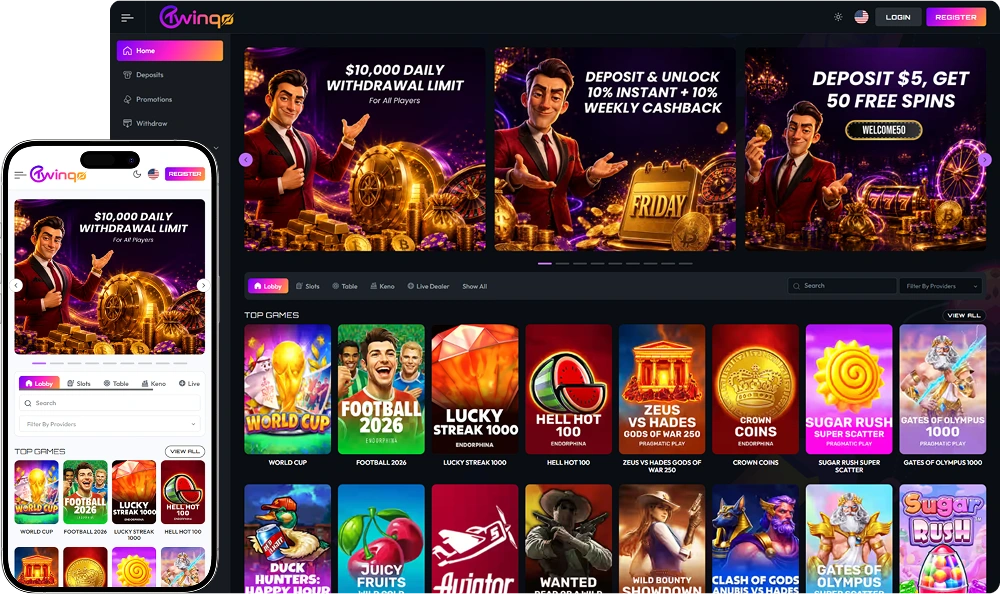
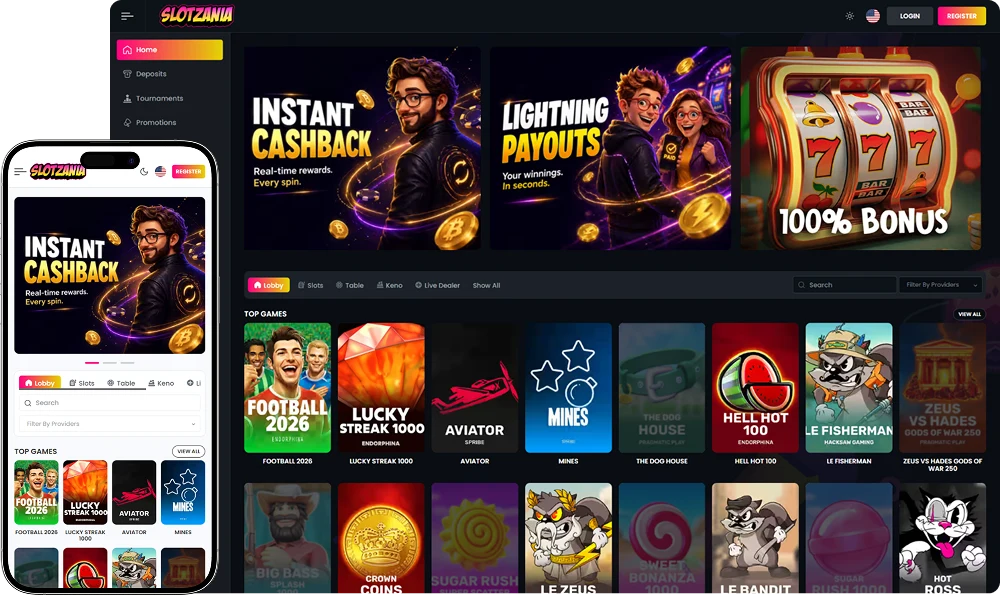
Businesses planning to develop a fantasy sports app like DraftKings need separate feed specifications for fantasy contests and sportsbook markets. Each specification defines source identifiers and update frequency. It also sets accepted statuses and correction rules.
Player statistics feeds deliver verified actions for each athlete within an event. The fantasy engine maps each field to the scoring rule for the relevant sport and contest version.
Roster feeds supply player identifiers, teams, positions, game status, injuries, or lineups. The contest engine uses each update to determine who remains eligible before lineup lock.
Fixture feeds provide event identifiers, opponents, venues, start times, postponements, or cancellations. Fantasy slates use each record to open, lock, move, or void affected contests.
Market feeds send sportsbook event identifiers, market types, selections, trading status, or display order. Mapping rules connect each market to the correct event inside the platform.
Odds feed integrations stream prices, lines, timestamps, sequences, or suspension notices. The sportsbook rejects late messages so older data cannot replace its latest accepted price.
Result feeds send official event outcomes and market grades. The settlement service matches each result to accepted wagers while correction messages trigger one controlled regrade.
DraftKings clone app development requires an operator dashboard that separates fantasy contest administration from sportsbook trading. Each control assigns a defined task to the staff members responsible for that product.
Operators can define the sport, slate, entry fee, prize allocation, roster rules, participant cap, lock time, or cancellation terms before publishing a fantasy contest to the lobby.
Trading staff can open, suspend, reprice, or close each sportsbook market. Status rules can follow event feeds while authorized users retain manual control for disputed match states.
Exposure screens aggregate potential liability by event, market, selection, or player. Operators can lower stake limits, stop acceptance, or route high value wagers for manual approval.
Campaign controls define who qualifies for a bonus, ticket, odds boost, or free contest entry. Operators set activation rules, expiry dates, redemption limits, and product eligibility.
Reports separate fantasy entry revenue from sportsbook stakes, payouts, voids, liabilities, bonus costs, or net results. Filters permit review by sport, event, date, product, or market.
A review queue gathers flagged accounts into one case file. Authorized staff can inspect entries, wagers, payments, device history, or earlier notes before recording a final decision.
A team can build a fantasy sports app like DraftKings without scope drift when each stage produces an approved output. Work moves forward after the product team accepts the decisions from the prior stage.
Discovery defines the launch jurisdictions, player groups, sports, contest formats, sportsbook coverage, and revenue model. The approved scope identifies what enters the first release.
Architects define service boundaries, data ownership, event flows, transaction states, and failure handling before coding. The resulting specification becomes the engineering baseline.
Designers map contest entry, lineup creation, bet placement, account review, and operator tasks into testable prototypes. Product owners approve each flow before interface development.
Engineers build fantasy scoring and sportsbook wagering as separate services against the approved rule catalog. Rule versions preserve the exact logic applied to each contest or bet.
Teams connect provider test environments, then validate authentication, field mapping, delayed messages, duplicate records, corrections, and failure recovery before production access.
Release preparation covers data migration, production credentials, monitoring alerts, rollback steps, support ownership, and final release acceptance. Deployment starts after sign-off.
Behind every high-performing iGaming platform is a technology stack engineered for speed, security, scalability, and seamless integration. At iGamingTech, we combine modern frontend and backend frameworks, powerful databases, cloud infrastructure, APIs, and DevOps technologies to build platforms that stay reliable under real-time gaming and high-traffic demands.
 ReactJS
 NextJS
 VueJS
 NuxtJS
 Node.js
 NestJS
 Laravel
 Python
 Adyen
 Crypto Wallet APIs
 Skrill
 MongoDB
 PostgreSQL
 ClickHouse
 Mysql
 Sportradar
 Evolution
 Pragmatic Play
 Genius Sports
 Ezugi
 Betfair Exchange API
 AWS
 GitHub Actions
 Cloudflare
 Kubernetes
 Terraform
 Microsoft Azure
 Docker
Businesses that build a fantasy sports app like DraftKings for real money participation must map controls to each launch jurisdiction. Age thresholds and location rules can differ. Monitoring duties and player protection settings can also change.
The investment required to make an app like DraftKings depends on scope decisions made before engineering. This sports betting app development cost guide explains sportsbook budgets. The factors below shape the combined estimate.
Each sport adds its own roster structure, scoring events, market catalog, result mapping, and test cases. Launching more sports increases configuration effort and validation time.
Provider contracts can price fixtures, statistics, prematch odds, live updates, or results separately. Coverage tiers, request limits, sandbox access, and usage rights affect estimates.
A fantasy release requires one defined transaction model. Adding sportsbook wagering introduces separate acceptance, risk, settlement, reconciliation, and operational testing work.
Each jurisdiction can require different age rules, location checks, reports, player limits, vendor approvals, or release evidence. More markets increase configuration and review work.
Integration effort rises when providers lack documentation, test credentials, stable webhooks, or support contacts. Certification steps and custom data mapping can also extend delivery.
A team can develop a fantasy sports app like DraftKings first if its account model and product permissions anticipate a separate wagering engine. The operator can add sportsbook services after securing the required market approvals plus odds contracts. Fantasy entries remain separate from wager acceptance and settlement from the first release.
Businesses can develop fantasy sports apps like DraftKings around an existing sportsbook without replacing its wagering engine. The added module needs athlete eligibility data plus versioned scoring rules. It also requires its own contest ledger. Shared identity services may remain where local rules permit. Operator permissions separate contest management from sportsbook trading.
A single displayed balance is possible only when local rules plus accounting treatment permit it. The backend still tags deposits by product. It records contest entries separately from wager holds. Bonus credits plus refunds need distinct ledger references. This structure preserves reconciliation even when the interface shows one total.
The operator needs to hold the required license or authorization for each product and location. Apple requires sportsbook apps to be free plus restricted to licensed locations. Google Play requires approval for eligible sportsbook and daily fantasy sports apps. It prohibits Play Billing for gambling funds. Submission materials must show age controls plus responsible gaming information.
A lower risk plan to build a fantasy sports app like DraftKings starts with one jurisdiction and a limited sports catalog. The product uses a narrow contest set. The sportsbook can begin with prematch markets before adding live betting. Teams finalize provider contracts and acceptance criteria before coding begins.
Server side entitlement rules can expose fantasy contests in one location and sportsbook markets in another after geolocation succeeds. The interface may hide unavailable products. The backend still rejects direct requests for any product that lacks authorization in the verified location.
Our casino platform experienced performance problems when many users were online. It started with slower response times and backend limits. iGamingTech identified architecture problems. Their team improved areas like backend optimization, database speed, and third‑party integrations. iGamingTech’s development method helped our casino platform become stable and run smoothly.
Define contest formats, scoring versions, wager limits, and settlement conditions before engineering begins. Give every product rule a clear approval owner.
A casino operator adds games from a new provider. Players can open them in the lobby. Yet some game tiles...
Read More
A sportsbook app displays markets and captures player instructions. The visible screen is only the entry point. Each wager reaches...
Read More
Physical casinos rely on software to coordinate day to day gaming floor operations. Land based casino software development can connect...
Read MoreFrom idea validation to post-launch support, our team guides you through every stage of development.

Discuss your platform, business goals, features, and timeline.

Review architecture, integrations, compliance, and scalability.

Receive a tailored roadmap, delivery timeline, and pricing.

Meet your engineering team and start development.
Ready to transform your ideas into next-generation solutions? Drop us your details and we’ll get back to you within 48 hours.
Message Us On TelegramYour Information Is Secure And Will Never Be Shared.
Your Information Is Secure And Will Never Be Shared.