





How a Casino SEO Strategy Builds Organic Traffic and AI Visibility
A casino operator adds games from a new provider. Players can open them in the lobby. Yet some game tiles...
Read MoreA sports data feed can use one event ID while the sportsbook engine stores another. A delayed payment response can leave wallet balances and transaction records out of sync. iGamingTech maps provider schemas and event IDs to the platform’s internal models. Integrations can map Sportradar or Genius Sports feeds to event and market records. They can route Adyen or Skrill payment responses through wallet APIs. Engineers define validation rules and retry behavior, then reconcile transaction states across each connection.
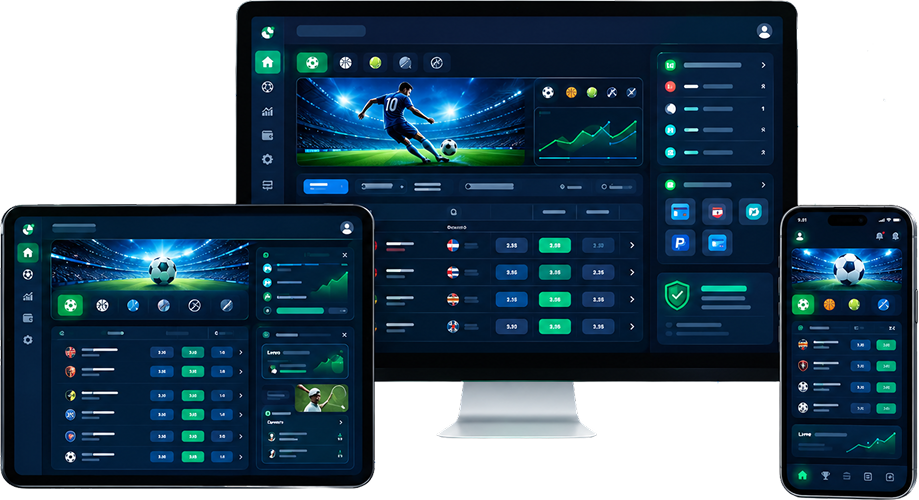



iGamingTech’s betting API integration connects sportsbook engines with odds feeds and sports data APIs and connects payment gateways to player wallets.
Map provider event IDs, market IDs, selection IDs, and data schemas to internal platform models while accommodating existing backend architecture and provider API protocols.
Sync odds updates and event or market status changes across sportsbook workflows. Keep bet status updates and settlement data aligned.
Process payment callbacks to update transaction states and wallet balances. Reconcile payment records with sportsbook activity.
Validate payloads and handle timeouts with controlled retries. Use duplicate request protection and error logging to track repeated calls and provider failures.
Align each integration with the provider’s API specifications. Selected integrations can include Sportradar or Genius Sports data and Adyen or Skrill payment callbacks.
iGamingTech brings its broader software delivery experience to betting API integration. The team connects sportsbook engines with odds and sports data APIs and coordinates payment gateway and player wallet flows around each platform’s architecture.
A player selects a live market and confirms a wager. The sportsbook then checks the current odds and available balance. If an API stops responding, the bet may remain pending even after the provider receives it. The player sees no clear result and may try placing the same bet again. Meanwhile, the wallet may show a deducted amount without a confirmed wager.
Support teams must then trace the request and verify its final status. Clear transaction updates help players understand what happened. Sportsbooks also need safeguards against duplicate requests so a temporary connection failure does not lead to incorrect balances or disputed bets.
Each connection has a distinct role in the sportsbook stack. iGamingTech maps provider contracts and data models to the operator’s existing architecture. This keeps bet processing separate from pricing updates and from payment and wallet records.
The bet slip sends a placement request with the selected market and stake. Validation checks the request before the sportsbook engine returns an accepted or rejected response. For multiple providers, the integration maps each response to the same internal bet state model. Bet status then progresses through settlement.
Connect sportsbook frontends and backends with player account services and third party components through mapped endpoints and API contracts. The integration aligns authentication with provider specifications. Request and response transformations plus HTTP status handling accommodate existing backend structures and third party sportsbook software.
Normalize pre-match and live prices before they reach the sportsbook. Map provider market and selection IDs to internal models. Feed timestamps help order price changes and flag stale odds. Market suspensions and price updates use the transport each provider supports. This may involve WebSockets or webhooks. Polling applies where required.
Import fixtures and schedules alongside tournament data. Map provider event and participant IDs to internal match records before attaching live scores and statistics. Event status changes update the matching fixture. This keeps team and player data associated with the correct match even when provider identifiers differ.
Deposit and withdrawal requests move between the sportsbook and external payment providers. The integration tracks pending, confirmed, failed, and reversed states. Asynchronous callbacks update transaction records. Payment verification and configured fraud checks run before the platform records a final outcome. Reconciliation compares provider references with sportsbook records.
The wallet manages player balances and betting ledger entries. It checks available funds before debiting a stake. Afterwards, it credits winnings against the related bet. Each ledger entry carries a transaction reference. Ordered updates handle concurrent requests. Reversal entries record voided or corrected bets. Bonus balances follow separate rules where supported.
iGamingTech verifies that each API vendor’s requirements meet the backend setup of the sportsbook. It spots potential problems with data mapping and transactions prior to development. Every connection is tested under actual integration conditions to help the operator prevent problems at launch time.

iGamingTech developers understand sportsbook transaction workflows and API communication requirements. The team handles provider documentation and data mapping challenges. This expertise helps address compatibility issues during integration.

iGamingTech builds API connections that work well with the sportsbook’s existing backend. The team adjusts data formats and integration settings to match provider requirements while reducing the need for changes to the core system.

API providers use different data formats and communication methods. iGamingTech configures each connection to support these differences. This helps operators add or switch providers.

Each project follows defined implementation and testing procedures. Technical specifications and test results help operators understand integration behavior before deployment.

Modular integration components allow sportsbooks to accommodate additional providers and changing platform requirements. Configurable connections help reduce the need for extensive modifications when integrations expand.

iGamingTech supports ongoing integration maintenance and troubleshooting. This includes investigating API errors and addressing callback failures. Provider updates and compatibility issues are handled according to the agreed support scope.
A sportsbook may rely on separate APIs for bet processing, odds, sports data, payments, player accounts, and operations. Each betting API integration maps a provider’s data and responses to the platform’s internal services. Betting platform API integration also needs to fit the operator’s existing backend and provider protocols.









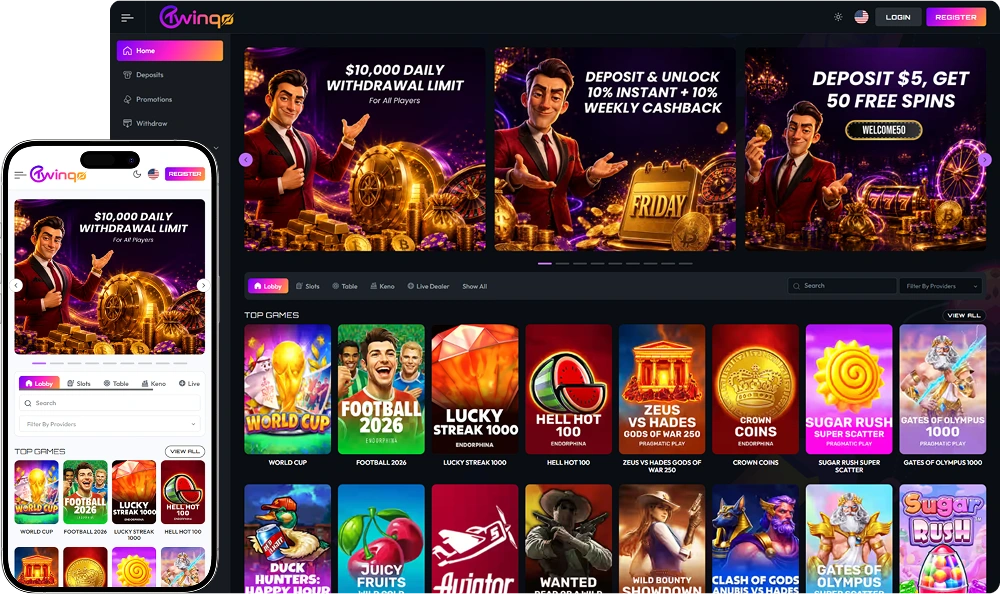
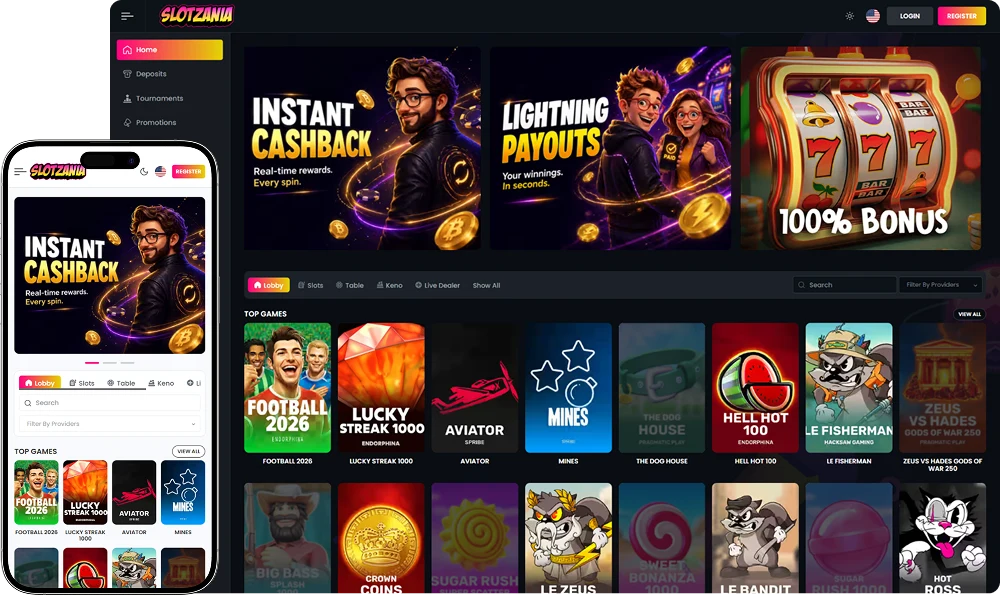
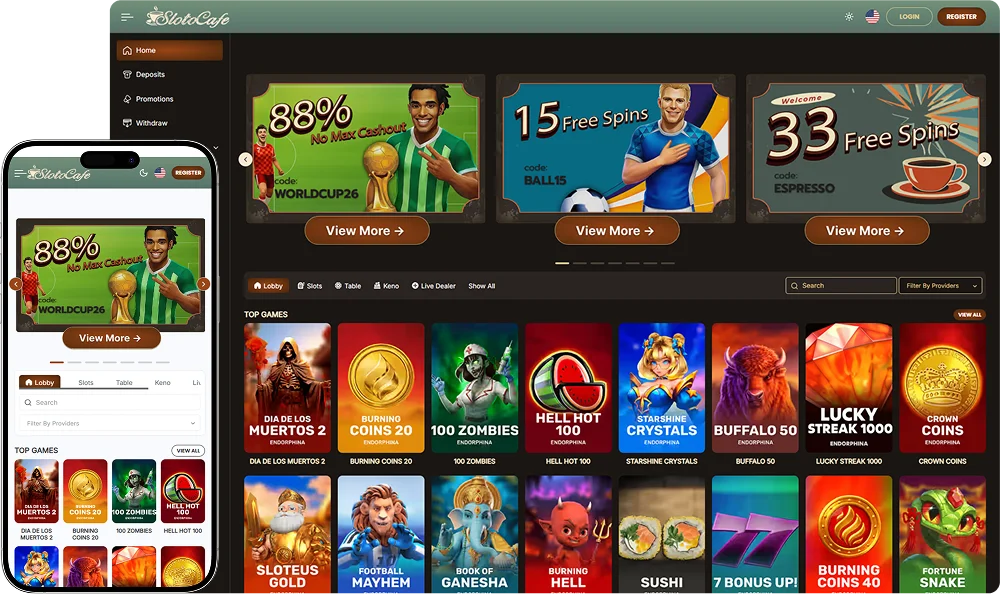
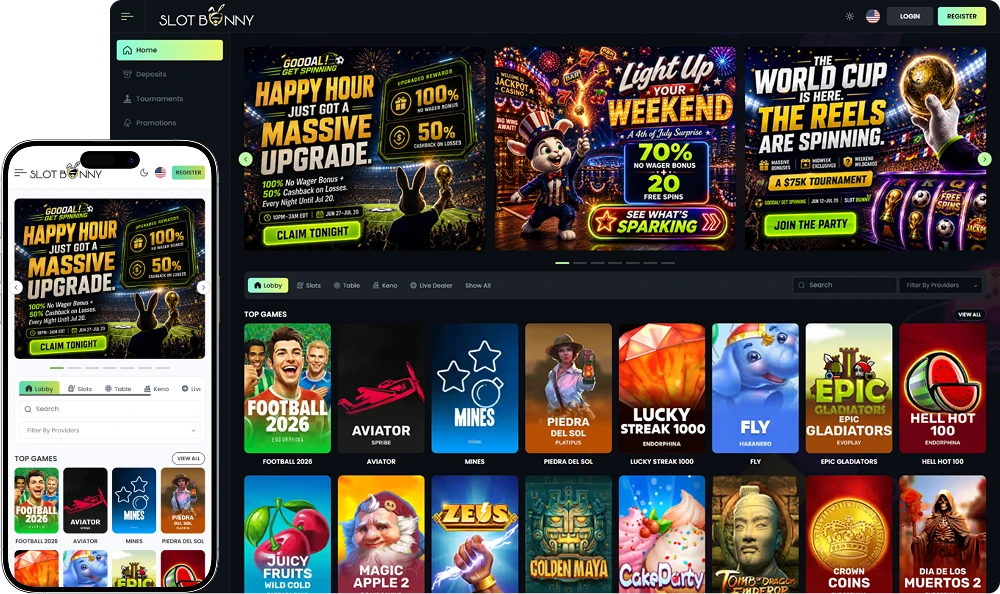
Older sportsbook platforms may not support modern APIs directly. New integrations must work within existing system limitations without disrupting betting operations.

Older sportsbooks may use data formats that modern API providers do not support. Custom adapters translate requests and responses into compatible formats. This allows new services to connect without replacing existing interfaces.
Legacy sportsbooks often share backend components across betting and player accounts. Changes to one function may affect others. Developers identify suitable connection points to limit disruption to existing operations.
Older authentication methods may not meet current provider requirements. Secure gateways can bridge compatible systems. Some integrations may require updated credentials or security components.
New APIs must follow existing bet processing and settlement rules. Changes to transaction handling can affect wallet balances. Maintaining consistent records helps prevent financial discrepancies.
Staging environments allow developers to test integrations before release. Regression testing checks existing sportsbook functions. Parallel validation can help confirm that new connections produce the expected results.
Some legacy limitations cannot be resolved through adapters. Outdated databases or unsupported security protocols may require core system updates. A technical assessment helps identify the necessary changes.
Our sports betting API integration process covers seven stages, from technical assessment to ongoing maintenance. Each stage focuses on platform compatibility and accurate data exchange. The process also addresses transaction handling and integration reliability.
The team identifies the data and functions needed for each API connection. It reviews authentication methods and transaction workflows to understand technical dependencies. These findings help define the integration scope before development starts.
We evaluate API providers based on sport and market coverage. The evaluation also considers request rate limits and callback support. Sandbox access and API version compatibility help determine whether a provider meets the sportsbook’s integration requirements.
This stage defines how external APIs communicate with internal sportsbook systems. It covers data models and provider-to-platform field mappings. Authentication boundaries and transaction state transitions establish how connected systems exchange and process information.
Our developers build API connections and configure data transformations between providers and the sportsbook platform. Webhook handlers process automated provider notifications. Duplicate transaction controls and timeout handling help prevent repeated processing and manage interrupted requests.
Testing covers normal operations and potential integration failures. The team checks outdated odds and rejected bets alongside duplicate callbacks and payment timeouts. Concurrent wallet transactions are also tested to identify balance inconsistencies.
Production deployment begins with environment configuration and secure API credential setup. Our team performs initial functionality checks and verifies transaction logs after release. Rollback procedures support recovery if critical integration issues occur.
Different API systems may respond to requests or update records at different times. This can lead to outdated information and transaction errors. Identifying these issues early helps reduce processing failures and supports accurate sportsbook operations.
Different API providers may assign separate identifiers to the same sporting event or betting selection. Their responses may also use different field names and data structures. Field normalization and identifier mapping help standardize these records. Schema validation detects missing or changed fields before they affect sportsbook operations.
Network delays can cause older odds updates to arrive after newer prices. This may result in outdated odds or incorrect market states. Provider timestamps and sequence numbers help identify stale messages where available. The integration rejects outdated updates and processes market suspension signals to prevent inactive selections from remaining available.
Payment providers may resend notifications after timeouts or delayed responses. Processing the same callback twice can create duplicate transaction records. Transaction reference matching and idempotency controls help identify repeated requests. State validation prevents conflicting transaction updates, while reconciliation checks help resolve payments with uncertain outcomes.
A rejected or voided bet may leave a related wallet debit unresolved. Settlement updates can also arrive before balance changes are completed. Linked ledger entries and transaction ordering help track these operations. Controlled reversals and reconciliation checks identify differences between betting records and wallet balances.
An API request may time out even when the provider has completed it. Retrying without checking its status can cause duplicate bets or payments. Status checks and controlled retries help prevent repeated transactions. Circuit breakers can pause failing connections while reconciliation helps resolve records after service recovery.
Behind every high-performing iGaming platform is a technology stack engineered for speed, security, scalability, and seamless integration. At iGamingTech, we combine modern frontend and backend frameworks, powerful databases, cloud infrastructure, APIs, and DevOps technologies to build platforms that stay reliable under real-time gaming and high-traffic demands.
 ReactJS
 NextJS
 VueJS
 NuxtJS
 Node.js
 NestJS
 Laravel
 Python
 Adyen
 Crypto Wallet APIs
 Skrill
 MongoDB
 PostgreSQL
 ClickHouse
 Mysql
 Sportradar
 Evolution
 Pragmatic Play
 Genius Sports
 Ezugi
 Betfair Exchange API
 AWS
 GitHub Actions
 Cloudflare
 Kubernetes
 Terraform
 Microsoft Azure
 Docker
iGamingTech develops betting API integrations that protect system access and sensitive player information. Each integration also supports transaction security and player protection requirements based on the operator’s target markets.
Yes. Betting APIs can connect with existing sportsbook platforms if their backend systems support the required integration methods. The development team first assesses system compatibility and identifies any changes needed to connect external providers.
Operators typically need API documentation and provider credentials alongside details of their existing platform. Access to a testing environment also helps developers assess compatibility and prepare the integration.
The timeline depends on the number of APIs and the complexity of the existing sportsbook. Provider documentation and testing requirements also affect development time. A technical assessment helps establish a realistic project schedule.
Some API providers require direct commercial agreements before granting production access. Operators should confirm licensing terms and usage fees with each provider. These costs may be separate from the API integration development charges.
Integration costs depend on API complexity and the number of connected providers. Custom data mapping and transaction handling can increase development effort. Testing requirements and existing backend compatibility also influence the overall cost.
Integrations can be developed and tested in separate environments before production deployment. A staged release can reduce disruption to existing operations. However, the risk of downtime depends on the platform architecture and deployment requirements.
Yes. A sportsbook can replace an API provider if its architecture supports the required changes. The development team may need to update authentication methods and data mappings. Testing helps confirm that the replacement works with existing sportsbook functions.
Our casino platform experienced performance problems when many users were online. It started with slower response times and backend limits. iGamingTech identified architecture problems. Their team improved areas like backend optimization, database speed, and third‑party integrations. iGamingTech’s development method helped our casino platform become stable and run smoothly.
et expert guidance on provider compatibility and technical requirements before starting development.
A casino operator adds games from a new provider. Players can open them in the lobby. Yet some game tiles...
Read More
A sportsbook app displays markets and captures player instructions. The visible screen is only the entry point. Each wager reaches...
Read More
Physical casinos rely on software to coordinate day to day gaming floor operations. Land based casino software development can connect...
Read MoreFrom idea validation to post-launch support, our team guides you through every stage of development.

Discuss your platform, business goals, features, and timeline.

Review architecture, integrations, compliance, and scalability.

Receive a tailored roadmap, delivery timeline, and pricing.

Meet your engineering team and start development.
Ready to transform your ideas into next-generation solutions? Drop us your details and we’ll get back to you within 48 hours.
Message Us On TelegramYour Information Is Secure And Will Never Be Shared.
Your Information Is Secure And Will Never Be Shared.