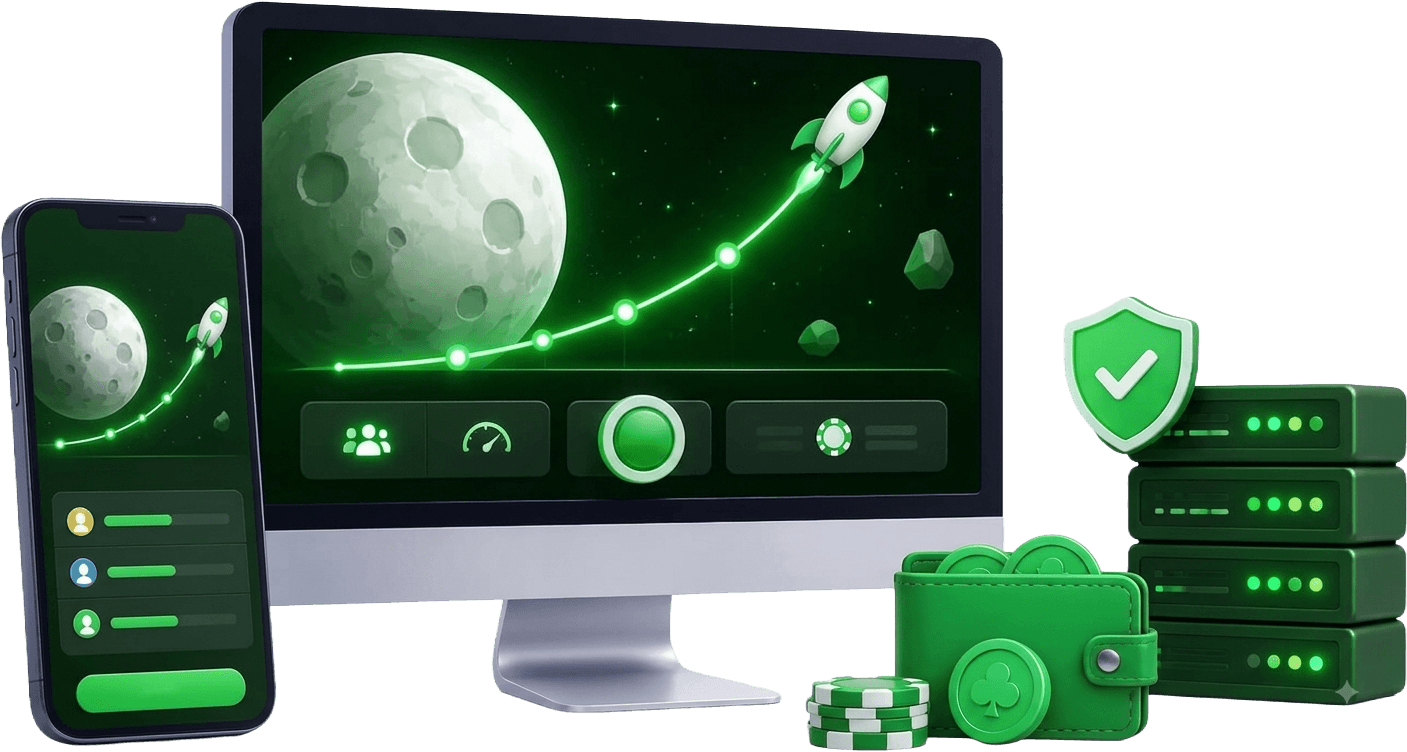
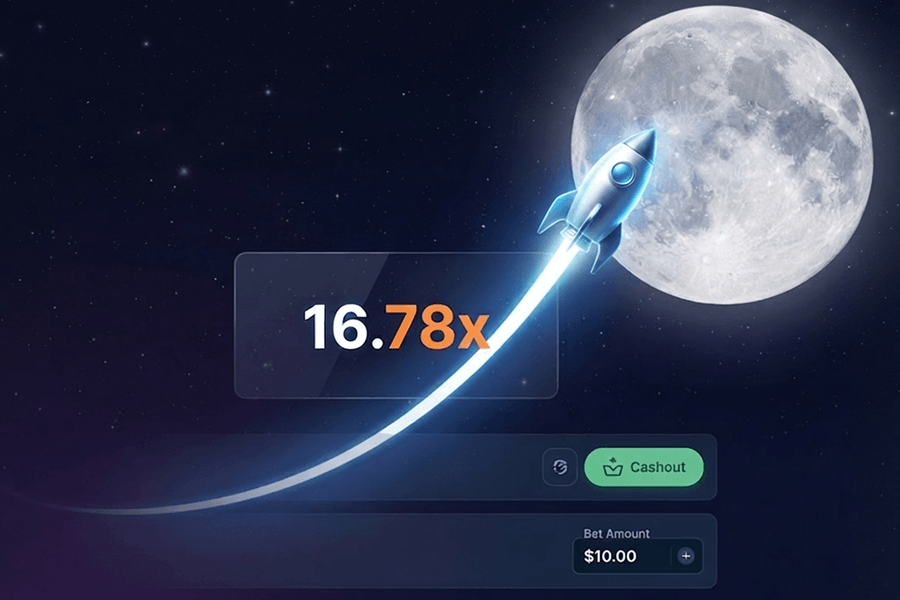
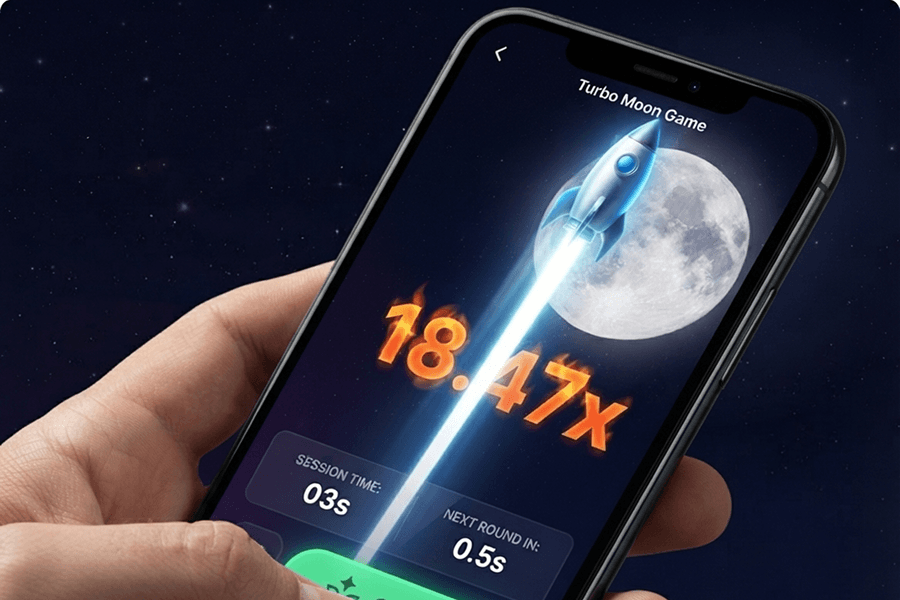
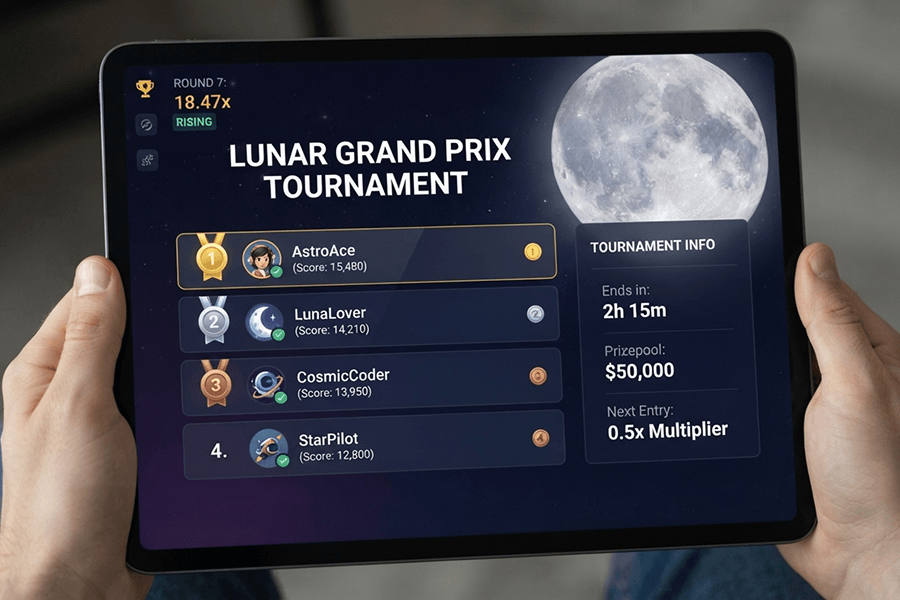
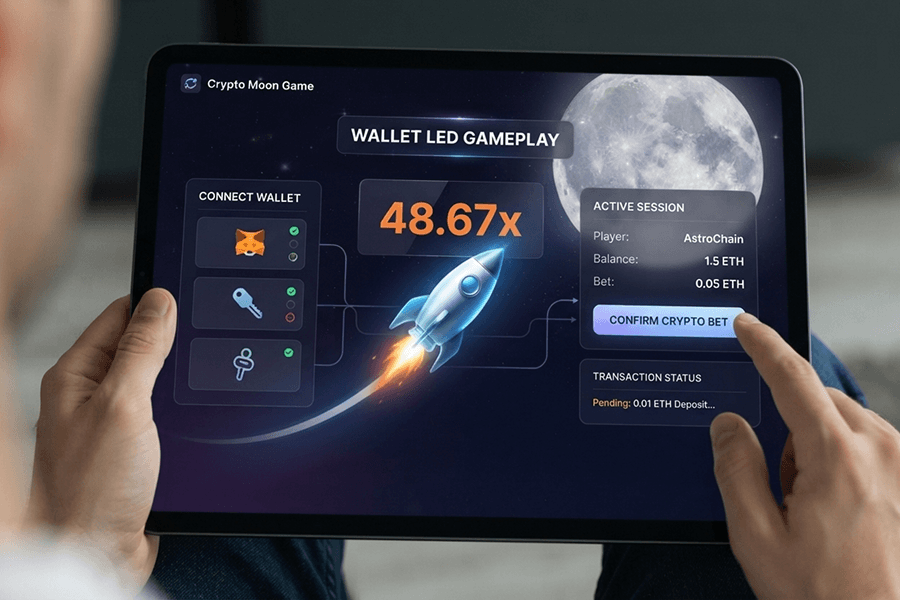
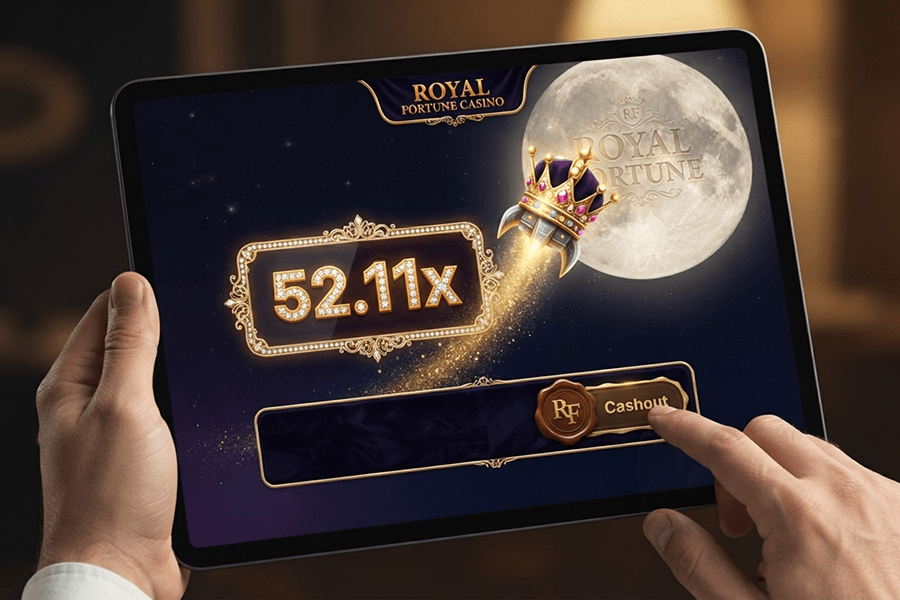
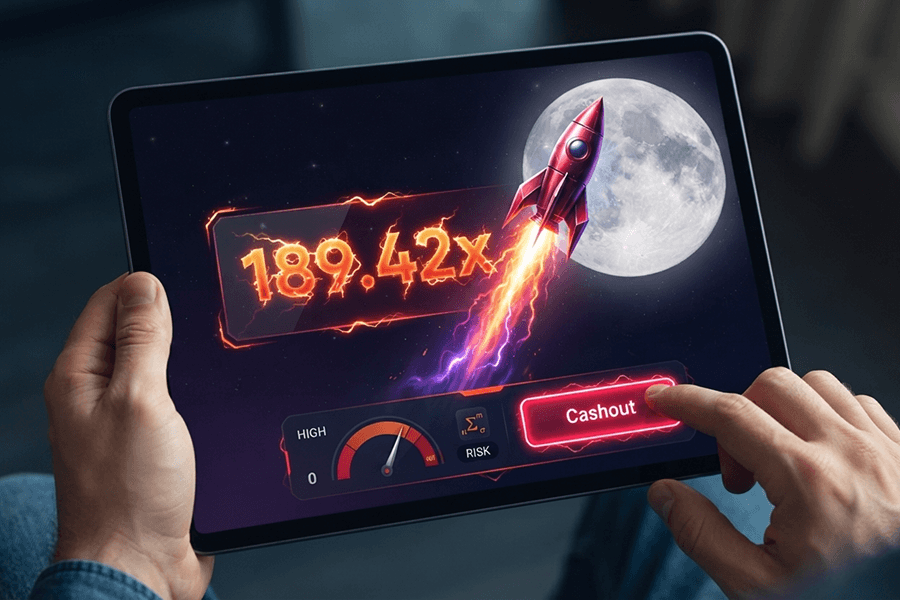
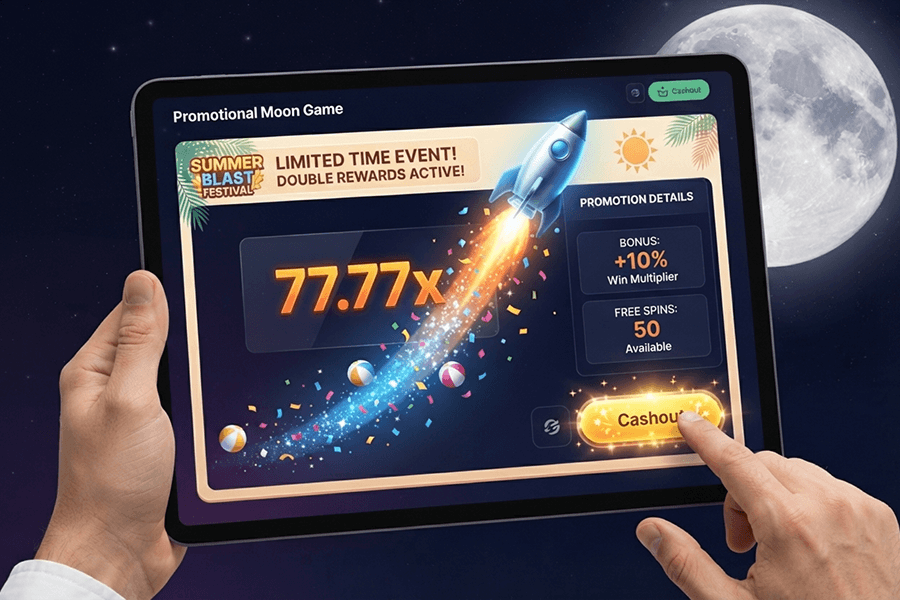
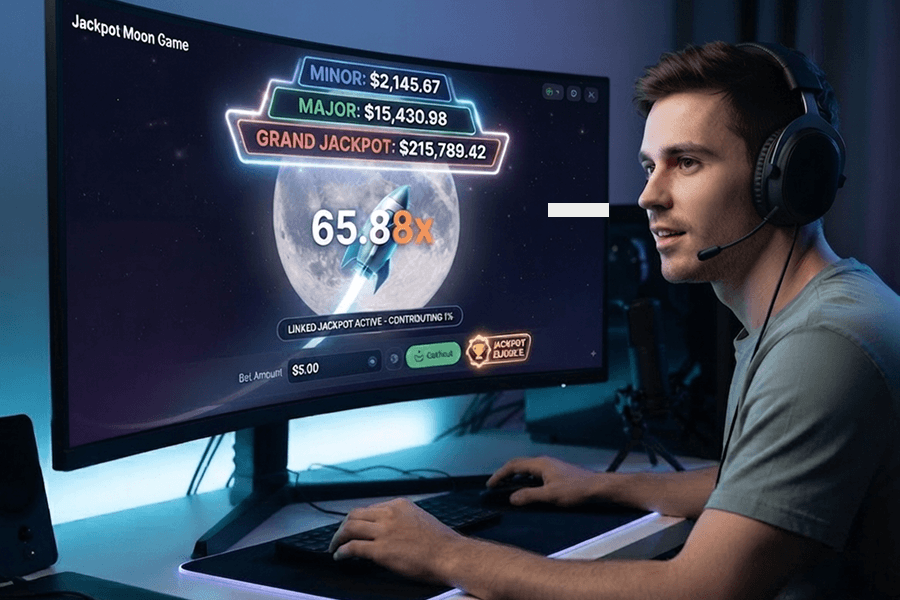
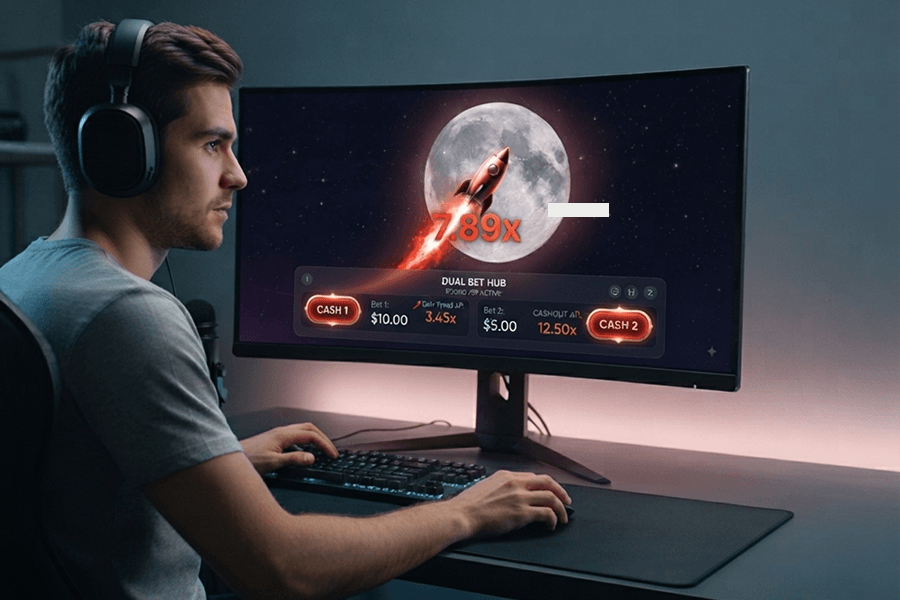
Moon casino games use a simple multiplier-based format. Players place a bet before each round starts. The multiplier rises until the game ends at an unpredictable point. Players must cash out in time to secure the displayed return. Moon casino game software can also include branded visuals and flexible game rules.
Rising multiplier: The multiplier starts at 1x and increases during the round.
Timed cashout: Players choose when to collect their potential return.
Live rounds: Multiple players can join and follow the same round in real time.
Verifiable outcomes: Provably fair logic can let players check each result.
Flexible access: Responsive gameplay works across mobile and desktop devices.
Projects Delivered
Global Clients Supported
Jurisdictions Covered
Skilled Developers
Moon games give casino operators a fast and flexible product that can strengthen player activity and brand recall. The format keeps each round simple while still creating a clear decision point through timed cashout. Operators can shape the interface. They can also adjust wager limits and session rules around their market strategy.
Mobile-ready access can support wider reach across devices. Fiat and crypto options can fit different payment models. Promotional tools can connect the game with campaigns and retention plans. Custom themes can also separate the product from standard crash titles.
A scalable backend can handle growing round volume without changing the core player journey. Strong moon game development can add a distinctive product to the casino portfolio and create more room for future game variants. Operators planning a wider casino portfolio can also explore slot game development for added game variety.
iGamingTech delivers end-to-end services for operators that need a reliable Moon game product. The team plans each project around the chosen business model, existing platform setup, target market, and future expansion goals.
The team defines the game concept and target audience. It also maps platform requirements and delivery priorities. This creates a clear scope before design or engineering begins.
Specialists design the multiplier curve and round behavior. They also define cashout conditions and payout boundaries. Mathematical simulations test the model before production.
Designers create a branded player journey for mobile and desktop screens. The interface keeps betting actions and round progress easy to understand without adding unnecessary friction.
Developers build the visible game interface and the server-side engine. The backend manages round logic and game events. It also keeps connected services aligned during play.
Multiplayer moon game development synchronizes players within shared live rounds. The architecture manages bet entries and cashout actions. It also handles reconnections without changing the round state.
The team connects the game with wallets and player accounts through an API. The agreed scope can also support online casino platform development and external payment services.
QA checks game logic and transaction flows. Testing also reviews device compatibility and server performance. Edge cases receive attention before production release.
The team prepares the final build for deployment. Post-launch work can cover technical fixes and performance improvements. It can also support new variants as the product strategy develops.
Launch a branded Moon game built for fast sessions and real-time play. Give your platform a product that feels distinct and easy to scale.
As a specialized moon game development company, iGamingTech combines game engineering with platform integration and operational planning. Each project follows a clear delivery plan. This keeps business goals and technical decisions aligned.
The team defines the market and launch model before development begins. This prevents unnecessary features and keeps the project focused.
Operators can choose custom development or white label delivery. They can also select a ready to launch model based on their goals.
Technical planning starts with the existing casino setup. This reduces integration conflicts and creates a clearer path to deployment.
Project scope can define source code access and future development rights. This gives operators better control over long-term product decisions.
Each stage moves through planned reviews before approval. This helps identify logic or integration gaps before they reach production.
The architecture can prepare for higher round activity and transaction demand. Operators can expand without rebuilding the complete game foundation.
The delivery process includes system guidance and technical documentation. Internal teams gain clearer control after the product enters live operations.
Post-launch planning can cover new variants and market changes. It can also guide future integrations as the product strategy develops.
The team considers target market requirements before launch planning begins. This keeps game logic, access controls, and platform settings aligned with the intended operating environment.
Operators can shape Moon games around different player groups and commercial goals. Each variant can use separate round settings and visual themes. The selected format should match the target market and wider casino portfolio.
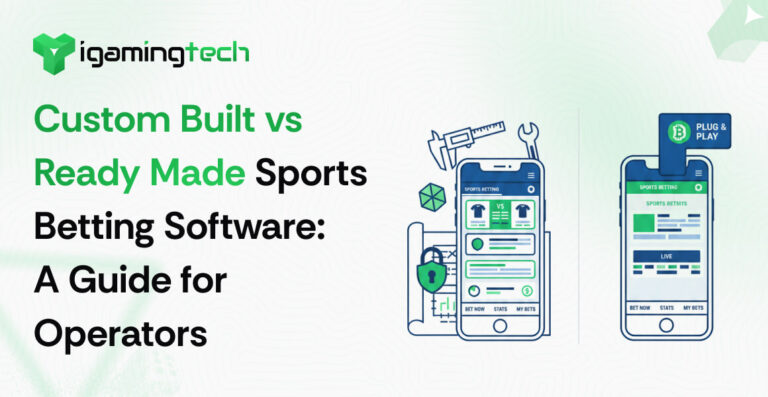
iGamingTech offers three development models for different launch goals. Online moon game development can follow a custom model, a white label model, or a ready to launch setup based on the operator’s goals. Teams still comparing ownership and launch speed can review the custom versus ready made software guide before confirming the development model.
| Development Model | Best For | Key Value | Customization Level | Launch Speed |
|---|---|---|---|---|
|
Custom Moon Game Development |
Operators building a distinct product |
Original game logic and full product ownership |
Complete control over design and integrations |
Longer |
|
White Label Moon Game |
Businesses seeking a branded solution |
Proven foundation with flexible branding |
Interface and selected features can be customised |
Faster |
|
Ready to Launch Moon Game |
Startups entering the market quickly |
Prebuilt gameplay with minimal setup work |
Interface and selected features can be customised |
Faster |
Twinqo
Game mathematics defines how a Moon game behaves over thousands of rounds. A balanced model connects player experience with controlled payout exposure. Every setting should pass mathematical simulation and technical review before launch. Strong multiplier game development connects round behavior with controlled payout exposure and stable long-term mathematics.
The platform manages every round through a secure server-side workflow. It validates wagers and synchronizes live game data across connected devices. It also processes cashout requests and wallet settlements before storing the final result for reporting and operator review.
The platform checks the player balance before accepting the wager. It rejects invalid requests and confirms that enough funds are available.
The system records the wager and locks the selected amount. It then adds the player to the upcoming round.
The server creates the round outcome through approved game logic. It keeps this process separate from the player interface.
The platform sends the same round data to every connected device. It keeps multiplier movement and game events aligned in real time.
The server checks each cashout request against the active round state. It approves valid requests and rejects late or failed actions.
The platform sends valid returns to the connected wallet. It stores wager data and payout records for operator review and reporting.
A reliable moon game development company follows a structured process that turns the initial concept into a stable, market-ready product. Each stage defines clear deliverables and reduces technical issues before launch.
The team studies the target market and business model. It defines the required game variants and currencies. It also confirms platform connections and ownership needs.
Specialists design the multiplier curve and volatility model. They set payout boundaries and round behavior. Simulations then confirm the long-term mathematical performance.
Designers create the visual theme and screen flow. They position betting controls and multiplier details for simple use across mobile and desktop devices.
Developers build the player interface and server-side engine. They connect wallets and casino systems through an API.
QA teams test game logic and settlement accuracy. They also review device performance and traffic handling. Security checks cover access and transaction workflows.
The approved game moves to the production environment. Launch checks confirm system stability. Future updates can add new variants and integrations as product needs change.
Our developers work across modern web, mobile backend, and platform technologies to build scalable digital products. This broad expertise helps businesses choose the right tools for custom development while enabling faster delivery.
A central admin dashboard gives operators clear control over live game activity. It brings player data, round details, and transaction records into one system. Teams can review performance and manage settings without affecting the player journey. The right moon game provider should give operators clear control over game activity, financial records, and platform performance.
Operators can set minimum and maximum wager limits. They can also apply different rules across player groups and currencies.
The dashboard can manage approved fiat and digital currencies. It can also track wallet movements and settlement activity.
Teams can view active rounds and completed cashouts. This gives them better visibility into current game activity.
The system records betting patterns and session history. Operators can use this data to review player behavior.
Admin users can inspect wagers, payouts, and failed settlements. Operators managing several payment routes can also use iGaming payment aggregator software to track deposits and payouts through one connected system.
Operators can assign permissions to different team members. This keeps sensitive controls limited to approved users.
The system can flag unusual betting patterns and repeated transaction failures. Teams can review these alerts before taking action.
Performance reports show round volume and payout activity. Audit logs record important changes for internal review.
A strong Moon game needs clear controls and instant feedback. The right feature set keeps each round simple while giving players more control over their betting decisions. The features give Moon casino game software a clear and controlled player journey across real money gaming environments.
The multiplier rises live during each round. Smooth updates keep every player aligned with the current game state and make each cashout decision easier to follow.
Players can exit at their chosen multiplier point. The system records each request instantly and completes the payout when the cashout reaches the server on time.
Players can set a preferred multiplier before the round begins. The game processes the cashout automatically when the selected value appears during active play.
Players can place two separate bets within one round. Each bet can use a different stake value and a separate manual or automatic cashout target.
The interface can display active bets and recent cashouts during each round. This shared activity creates a more engaging multiplayer environment without affecting individual decisions.
Players can repeat their previous wager with one action. This reduces setup time between rounds and keeps the betting journey smooth for returning users.
Clear records display previous wagers and completed outcomes. Players can review stake values and cashout points to understand their recent game activity.
Practice mode lets new players learn the mechanics without using real funds. It gives them time to understand multiplier movement and cashout timing before real play.
The game can display approved fiat and digital currencies. Connected wallet rules manage how balances move during bets and completed settlements.
The interface adapts to mobile and desktop screens. Betting controls and multiplier details remain clear across different screen sizes and device orientations.
Players can adjust audio and visual effects based on personal preference. These settings create a more comfortable session without changing the core game logic.
A provably fair moon game can let players check how each result was generated. Operators can explore provably fair casino game development to understand the wider verification framework.
Moon casino game development is the process of building a multiplier-based casino game for online operators. The scope can include game mathematics and interface design, wallet integration, real-time backend systems, and testing.
Players place a wager before the round begins. A live multiplier then rises until the hidden endpoint closes the round. Players must complete a valid cashout before that point to secure the displayed return.
Yes. Custom Moon game development allows operators to shape the game design and multiplier rules and platform connections. The final scope can also define source code access and future product rights.
A white label moon game uses an existing foundation with selected branding and configuration options. A ready to launch model offers a more standard setup with fewer changes. It usually requires less development work before deployment.
Yes. Multiplayer moon game development can place many players within the same live round. The backend must keep multiplayer updates, bets, and cashout actions aligned across every connected device.
Yes. Crypto moon game development can connect the game with supported digital wallets and settlement systems. Crypto support does not automatically make the product blockchain based. Blockchain functions require a separate technical scope.
A provably fair moon game can use cryptographic seeds and hashes to create verifiable round records. Players can use the available data to check how an outcome was produced.
Yes. The game can connect with player wallets and account systems, bonus engines, and payment services through an API. The integration scope depends on the existing platform architecture.
Cost depends on the selected launch model and game variants, visual scope, multiplayer requirements, wallet connections, and testing needs. A detailed estimate requires a confirmed product scope.

The timeline depends on the development model and feature depth and integration complexity. A ready to launch setup may require less work than a fully custom build. The final schedule should follow technical discovery.
Source code ownership can form part of a custom development agreement. The contract should clearly define code access, licensing rights, third party components, and future modification rights before development begins.
Yes. Responsive development can adapt the interface to mobile and desktop screens. Testing should confirm that betting controls, live round updates, and cashout actions remain clear across supported devices.
The operator remains responsible for securing the required licenses and approvals in each target market. Development teams can prepare technical documentation, testing support based on the agreed jurisdiction, and product scope.

From idea validation to post-launch support, our team guides you through every stage of development.
Discuss your platform, business goals, features, and timeline.
Review architecture, integrations, compliance, and scalability.
Receive a tailored roadmap, delivery timeline, and pricing.
Meet your engineering team and start development.
Ready to transform your ideas into next-generation solutions?
Drop us your details and we’ll get back to you within 48 hours.