





How Betting UX Consultancy Improves Sportsbook User Experience and Conversion
User experience (UX) shapes every sportsbook task. Each action affects the next betting decision. A player moves through multiple stages,...
Read MoreDeploy a branded sportsbook through a configurable operator environment. Our white label sports betting software separates business rules, permissions, market access, and reporting controls from the betting engine. APIs connect odds feeds, payment services, identity verification tools, and reporting systems. Operators manage margins, stake limits, user access, and jurisdiction settings through a centralized back office with timestamped audit logs.





White label sports betting software provides a preconfigured system for accepting, validating, and settling wagers. Before deployment, operators need to define the technical and operational boundaries of the platform.
Confirm which components remain provider-managed and which settings stay under operator control.
Establish ownership of provider accounts, API credentials, payment contracts, and integration access.
Document player data access, export formats, retention periods, and platform migration rights.
Assign responsibility for KYC checks, Anti-Money Laundering (AML) monitoring, geolocation, and regulatory reporting.
Record uptime targets, incident response times, recovery objectives, upgrade policies, and exit terms in the Service Level Agreement (SLA).
These figures reflect the current deployment scope documented in the product feature matrix and integration inventory. Each function represents a configurable operator workflow rather than a visual interface element. Supported integrations follow tested authentication and data-mapping flows before production deployment. The cost reduction is calculated against a comparable custom sportsbook build.
Operators can configure the readymade sports betting software as a fixed-odds sportsbook, betting exchange platform, or hybrid product. In the fixed-odds model, the operator acts as the counterparty and manages trading exposure. In the exchange model, the matching engine pairs back orders with lay orders and calculates commission on settled positions.
A hybrid deployment connects both models to shared identity, wallet, and reporting services while retaining separate pricing and settlement logic. The web platform and white label sports betting app use the same API services. This keeps balances, bet status, limits, and account actions synchronized across channels.
Every bet submitted through pre-built sports betting software passes through a controlled transaction sequence. Each stage records a traceable state change, allowing trading, support, and finance teams to reconstruct the complete lifecycle.
Data received through odds feed API integration is normalized into one internal structure. Each sport, event, market, and selection receives a stable identifier.
Feed prices enter the trading layer. Operator margin rules calculate the odds displayed for each sport, market, player segment, or trading profile.
Every request receives a unique transaction identifier. The record includes the player, selection, stake, price, device, channel, and submission time.
The system verifies account status, Know Your Customer (KYC) approval, jurisdiction access, self-exclusion restrictions, and applicable player limits.
The betting engine confirms that the market remains open and the requested price matches the latest valid version. Price changes follow the configured acceptance rule.
Stake limits are evaluated at player, market, event, sport, and operator levels. Projected liability is then tested against the configured exposure threshold.
The required balance is reserved before confirmation. This prevents concurrent bets from using the same funds and protects the wallet state when a request fails.
Accepted bets receive a fixed bet identifier and final price record. Rejected requests return a coded reason without posting a completed wallet debit.
Verified result data activates the relevant settlement rule. The engine applies the correct outcome for wins, losses, voids, pushes, and dead-heat splits.
Settlement posts the final credit or debit to the wallet ledger. Finance teams can reconcile these entries against bet records, payment balances, and operator reports.
Use a guided technical demo to test market suspension, price changes, player restrictions, and settlement corrections inside the back office. Review the resulting audit records before confirming the platform scope.
As a trusted white label sports betting software providers, iGamingTech validates sportsbook logic before deployment instead of limiting reviews to interface testing. The team checks data contracts, transaction states, financial reconciliation, and failure recovery against the approved operator configuration. Each review produces evidence that operators can examine during technical acceptance.As a trusted white label sports betting software providers, iGamingTech validates sportsbook logic before deployment instead of limiting reviews to interface testing. The team checks data contracts, transaction states, financial reconciliation, and failure recovery against the approved operator configuration. Each review produces evidence that operators can examine during technical acceptance.

Engineers map event structures, market states, bet statuses, and settlement rules before configuration to expose logic gaps before production.Engineers map event structures, market states, bet statuses, and settlement rules before configuration to expose logic gaps before production.

Each provider connection is tested against data structures, authentication rules, rate limits, error responses, and automated callback behavior.

Test cases trace deposits, reserved stakes, accepted bets, settlements, and payouts across the gateway, wallet ledger, and operator reports.

Load tests simulate concurrent bets and rapid odds updates while measuring response times, queued requests, error rates, and recovery time.

Every change to margins, stake limits, access rights, and settlement settings receives a complete version record and an approved rollback point.

Operators receive architecture diagrams, dependency maps, permission matrices, release records, and incident recovery guides at final handover.
Each module in our white label sports betting software development stack manages a defined operational domain. Controlled data exchange keeps trading, player, financial, compliance, and partner records aligned.
















These models may offer similar visible betting functions, but they differ significantly in ownership and operational responsibility. Operators can review this guide to custom-built and ready-made sports betting software for a deeper comparison of costs, data rights, and platform migration.
Primary Use Case
Core ownership
Time To Launch
Configuration boundary
Branding Flexibility
Integration control
Integration Work
Data access
Ownership Model
Release responsibility
Primary Use Case
The provider retains the core platform. The operator licenses a branded environment.
Time To Launch
Operators change exposed rules, branding, permissions, and market settings.
Branding Flexibility
New providers must match available connectors or receive technical approval.
Integration Work
Export formats, retention periods, and access rights depend on the platform agreement.
Ownership Model
The provider schedules core releases. The operator manages approved configuration changes.
Primary Use Case
The provider owns the platform and manages the included operational services.
Time To Launch
Configuration follows the modules and managed services included in the package.
Branding Flexibility
The turnkey provider selects and manages most connected services.
Integration Work
Data is usually available through managed reports and approved exports.
Ownership Model
The provider coordinates platform updates and managed-service changes.
Primary Use Case
Code ownership and usage rights are defined for the operator within the development agreement.
Time To Launch
Operators define workflows, business rules, architecture, and future product priorities.
Branding Flexibility
Operators choose providers and control the integration roadmap.
Integration Work
Direct data access can be designed around internal security and reporting requirements.
Ownership Model
The operator and development team control testing, deployment, and rollback decisions.

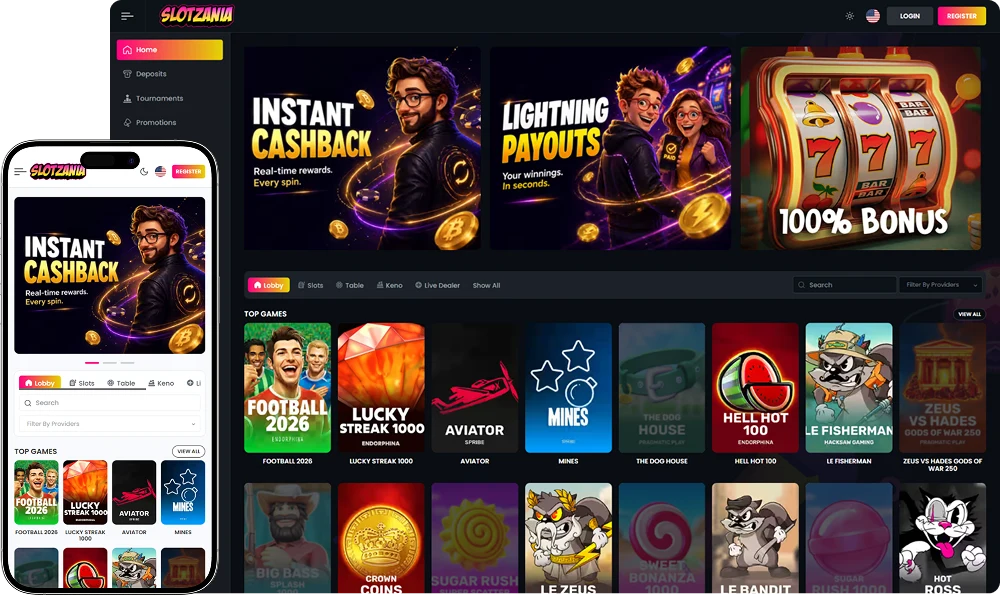
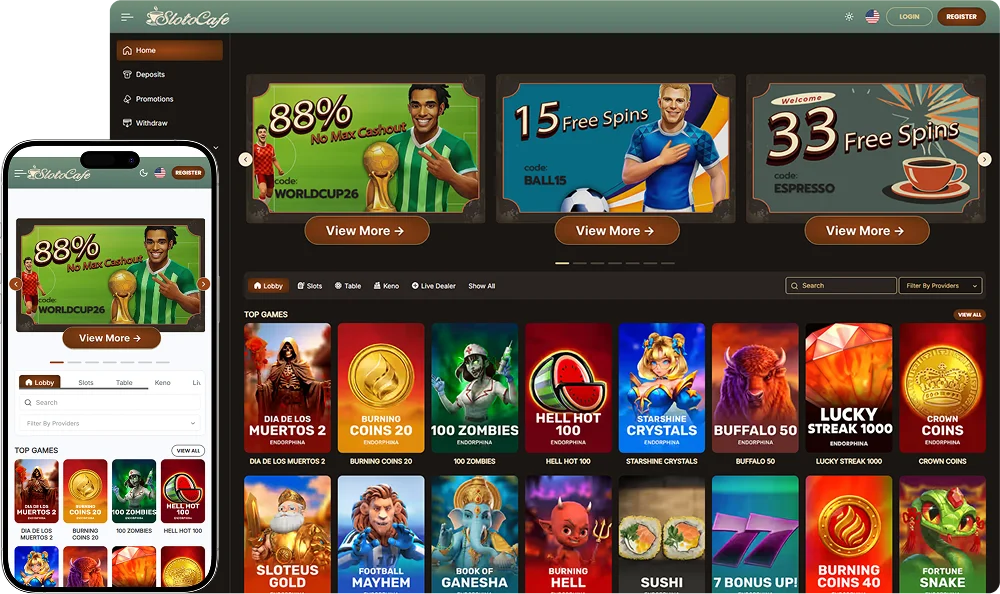
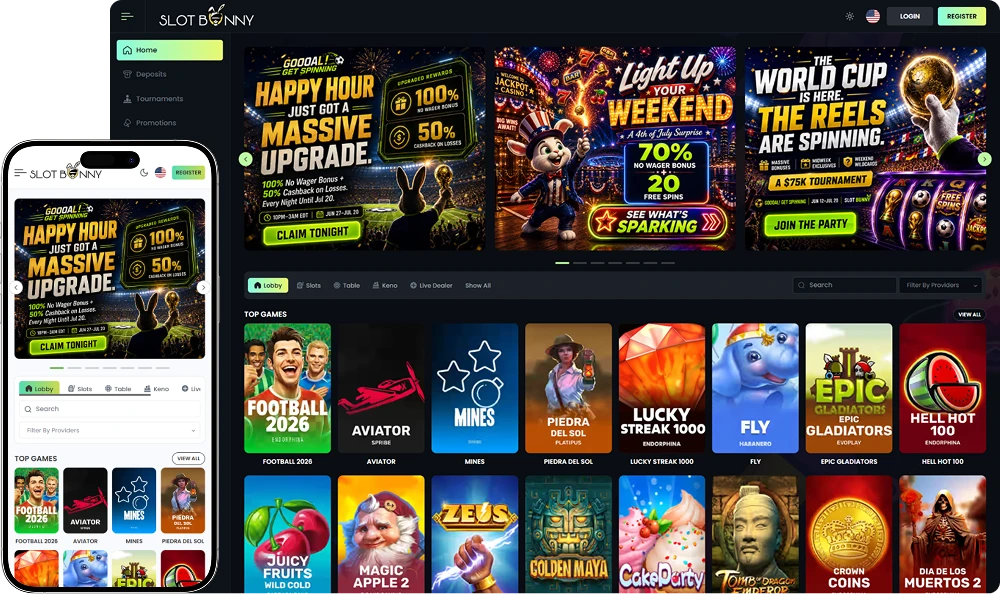
Runtime reliability depends on how the platform handles duplicate requests, provider outages, delayed events, and degraded services. Our ready to launch sports betting software uses defined safeguards to contain faults and preserve recoverable transaction records.
Each bet request carries an idempotency key, a unique reference that prevents network retries from creating duplicate bets or wallet debits. Repeated calls return the original result.
Circuit breakers stop requests to a failing provider and isolate the affected connection. Health checks reopen traffic only after the external service responds correctly.
Monitoring tracks feed freshness, rejection rates, settlement backlogs, and wallet response times. Alerts record the affected service, threshold, event time, and incident reference.
Persistent queues retain unprocessed events during a service failure and replay them in the correct order after recovery. Checkpoints prevent completed events from running again.
Pricing for White label sports betting software depends on licensing terms, data coverage, service usage, infrastructure capacity, custom engineering, and support requirements. Operators comparing it with a custom build can review our sports betting app development cost guide.
Separates setup fees, recurring licenses, minimum commitments, and revenue share.
Reflects sport coverage, feed latency, managed trading, and redistribution rights.
Tracks usage fees for KYC, geolocation, payments, messaging, and fraud screening.
Uses concurrency, bets per second, deployment regions, retention, and failover targets.
Scopes bespoke workflows, provider adapters, native apps, UI changes, and release testing.
Price availability targets, support hours, response times, recovery, and backup retention.
Each stage ends with a documented deliverable and approval point. The white label sports betting software scope remains traceable from initial requirements through production handover, while the sports betting app security checklist guides security reviews during technical acceptance.
The operating model, target jurisdictions, channels, currencies, expected volumes, and launch dependencies are recorded in a signed scope baseline.
Provider and operator responsibilities are assigned for licensing, data access, integrations, hosting, support, and incident escalation before setup.
Each external service is logged with its credential owner, endpoint status, test result, dependency risk, and production approval requirement.
Open defects, reconciliation results, performance thresholds, security findings, and rollback readiness are reviewed before deployment approval.
Release records, monitoring ownership, incident severity rules, support contacts, and recovery procedures transfer to the operations team.
Our developers work across modern web, mobile backend, and platform technologies to build scalable digital products. This broad expertise helps businesses choose the right tools for custom development while enabling faster delivery.
 ReactJS
 NextJS
 VueJS
VueJS
 NuxtJS
 Node.js
 NestJS
 Laravel
 Python
 Adyen
Adyen
 Crypto Wallet APIs
 Skrill
 MongoDB
 PostgreSQL
 ClickHouse
 Mysql
Mysql
 Sportradar
 Evolution
 Pragmatic Play
 Genius Sports
 Ezugi
Ezugi
 Betfair Exchange API
 AWS
AWS
 GitHub Actions
 Cloudflare
 Kubernetes
 Terraform
 Microsoft Azure
 Docker
Within White label sports betting software, the configuration layer defines what operators can change without modifying the betting engine. Every change follows permission, validation, approval, and audit rules.
Selecting among white label sports betting software providers requires verifiable delivery experience, technical ownership, and production expertise. Our project records make these capabilities reviewable during technical due diligence.
Senior engineers explain service boundaries, data flows, failure domains, and architecture decisions directly during technical evaluation.
Under an NDA, prospects can review approved architecture diagrams, API contracts, test summaries, release records, and operational runbooks from relevant projects.
Project staffing identifies accountable specialists for betting logic, odds feeds, wallet transactions, security, infrastructure, and quality engineering.
An evidence register lists completed provider connections, authentication methods, data formats, tested environments, and production status without exposing client credentials.
Technical reviews cover resolved issues involving stale feeds, failed callbacks, delayed settlements, duplicate requests, and ledger mismatches through sanitized incident records.
Delivery records connect approved requirements to code versions, configuration changes, test results, deployment dates, and rollback references.
Where agreements permit, prospects can review relevant case studies, client references, delivered scope, and measurable outcomes from completed platform work.
Requirements unsupported by existing modules, integration history, or delivery evidence are identified during scoping and classified as custom engineering work.
Not automatically. Licensing depends on the jurisdiction and commercial model. In Great Britain, the UK Gambling Commission confirms that compliance remains with the license holder, including for white-label domains.
The delivery scope may include a hosted website, iframe, API-driven frontend, responsive web application, or native mobile build. The proposal identifies interface ownership, domain configuration, signing keys, and release responsibilities.
Migration requires accessible source data, field mapping, balance reconciliation, KYC status transfer, and consent records. Open bets need either a controlled carryover process or a legacy settlement path.
A shared wallet requires authenticated balance, debit, credit, reserve, and release endpoints. Timeout rules, idempotency keys, transaction references, and reconciliation files keep sportsbook and casino balances synchronized.
Multibrand operation requires tenant-level separation for configurations, player records, staff permissions, provider credentials, reporting, and jurisdiction rules. Each brand receives an independent audit and access boundary.
Production releases use backward-compatible data structures, rolling deployments, queue draining, health checks, and rollback checkpoints. These controls keep bet acceptance and settlement records consistent during an update.
Connected retail sports betting software requires shared bet identifiers, channel codes, wallet rules, ticket validation, and synchronized settlement across online accounts, counters, and self-service kiosks.
The operating model assigns responsibility for trading, risk, compliance, payment reconciliation, customer support, and incident coordination. Managed services may cover selected roles, but ownership remains documented.
The agreement defines whether revenue share uses gross gaming revenue or net gaming revenue. It also records how bonuses, voids, taxes, payment fees, chargebacks, and negative carryover affect the calculation.
Hosting depends on the agreed deployment model. The proposal records cloud-account ownership, deployment regions, access roles, encryption keys, monitoring responsibilities, backup controls, data residency, and migration procedures.
Our casino platform experienced performance problems when many users were online. It started with slower response times and backend limits. iGamingTech identified architecture problems. Their team improved areas like backend optimization, database speed, and third‑party integrations. iGamingTech’s development method helped our casino platform become stable and run smoothly.
Launch with White label sports betting software built around your market goals. Discuss your platform needs and get a clear path towards a ready sportsbook launch.
User experience (UX) shapes every sportsbook task. Each action affects the next betting decision. A player moves through multiple stages,...
Read More
Modern sportsbooks rely on several connected systems to manage betting operations. Odds feeds supply current market prices. Wallet services reserve...
Read More
Provably fair Bitcoin games let a player reproduce the calculation behind a completed result. The game first publishes a cryptographic...
Read MoreFrom idea validation to post-launch support, our team guides you through every stage of development.

Discuss your platform, business goals, features, and timeline.

Review architecture, integrations, compliance, and scalability.

Receive a tailored roadmap, delivery timeline, and pricing.

Meet your engineering team and start development.
Ready to transform your ideas into next-generation solutions? Drop us your details and we’ll get back to you within 48 hours.
Message Us On TelegramYour Information Is Secure And Will Never Be Shared.
Your Information Is Secure And Will Never Be Shared.